Metal Building Kit FAQs: Sizing, Permits, and Installation in Florida
Planning a metal building kit in Florida comes with questions that go well beyond price — permits, wind ratings, and what's actually included in a kit versus what you'll need to arrange separately. Here are honest answers to the questions we hear most often from DeSoto, Hardee, and Charlotte county property owners.
What's the difference between a metal building kit and a pre-fab building?
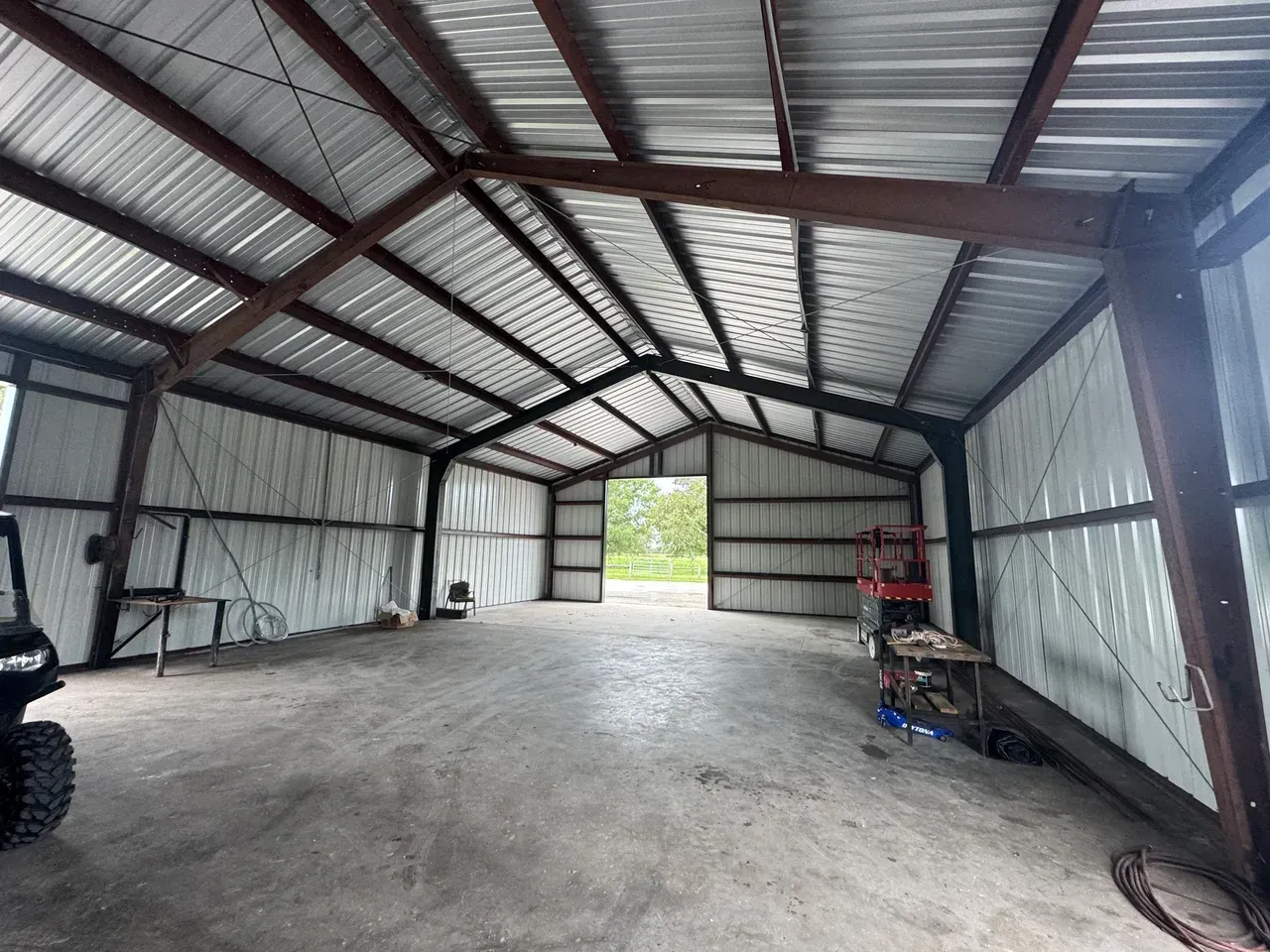
A metal building kit ships as pre-engineered steel components — frame, panels, and fasteners — that get assembled on-site on a foundation you prepare separately. A pre-fab building is typically constructed off-site as a complete or near-complete unit and delivered whole. Kits generally cost less and allow more customization; pre-fabs go up faster since most assembly happens before delivery.
Can I install a metal building kit myself, or do I need a contractor?
Smaller kits (under 30x40 feet) are sometimes DIY-friendly if you have construction experience and the right equipment. However, Florida's wind load and permitting requirements mean most buildings need a licensed contractor for foundation work, electrical, and final inspection sign-off — even if you handle some of the steel assembly yourself.
What sizes do metal building kits come in?
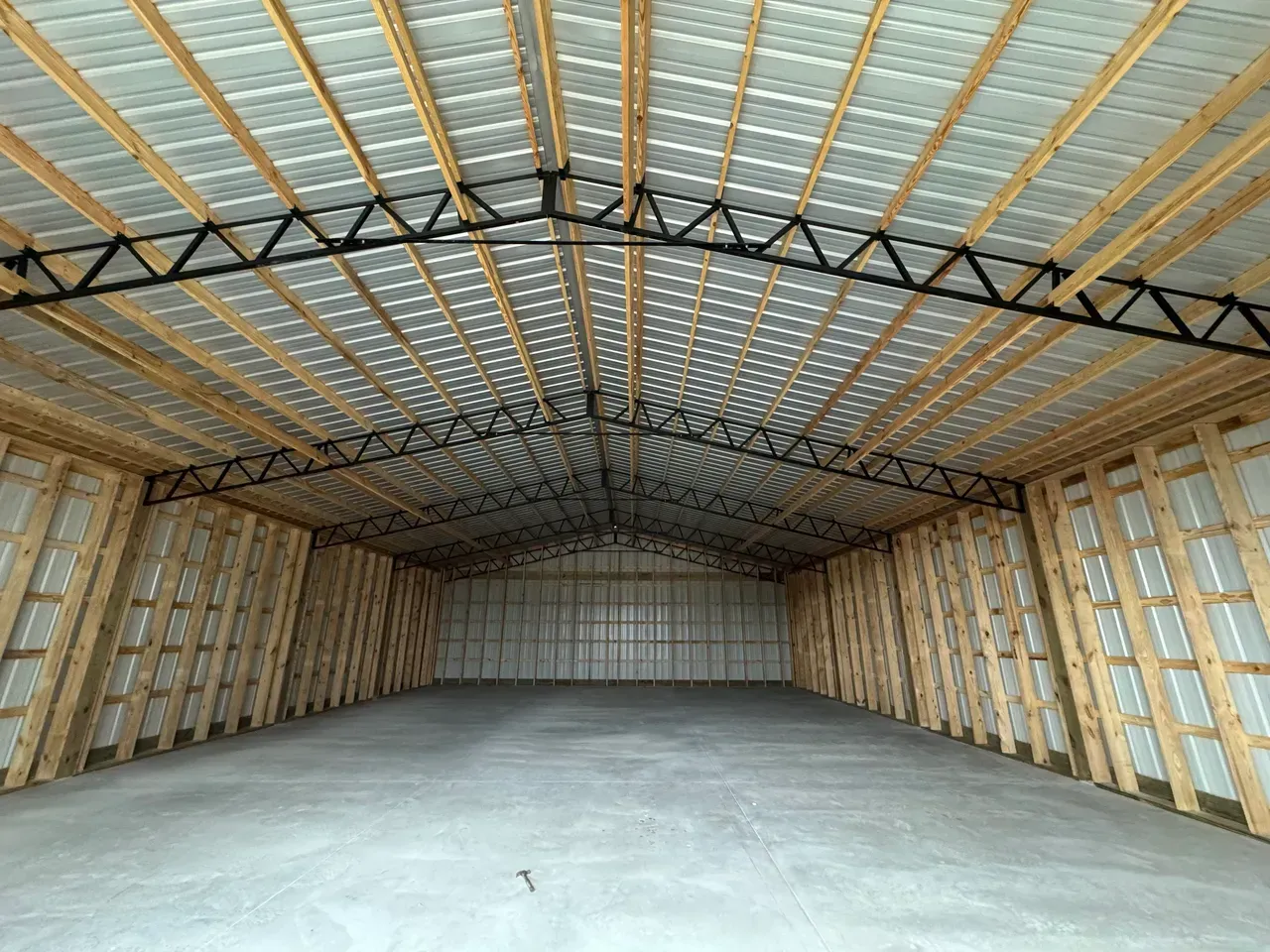
Kits typically range from small 12x20 storage sheds up to large 100x200+ commercial structures. Width is usually limited by the frame span (standard clear-span kits go up to about 80-100 feet without interior columns), while length can be extended in most cases by adding additional frame sections.
Do I need a permit for a metal building kit in Florida?
Almost always, yes. Any structure over a certain size (typically 100-200 square feet, varying by county) requires a building permit in Florida. This includes engineering review for wind load compliance, which is non-negotiable given our hurricane exposure.
What wind rating do I need for my county?
Most of DeSoto, Hardee, and Charlotte counties fall in the 140-150 mph wind zone under Florida's current building code. Your exact requirement depends on your specific location, structure use, and risk category — your builder or engineer will confirm the exact rating for your permit application.
How long does the permitting process take?
This varies significantly by county and current department workload. Simple residential accessory structures might clear in a few weeks; larger or more complex projects can take 6-8 weeks or more, especially if engineering revisions are required. Building relationships with local building departments helps builders anticipate typical timelines.
What factors affect the price of a metal building kit?
Size, wind rating, roof pitch, number of openings (doors/windows), insulation package, and finish level (bare shell vs. finished interior) all affect price. Site accessibility and any custom engineering requirements can also add cost.
Do metal building kits include site prep and foundation?
No — kits typically include only the structural steel components. Foundation work (concrete slab or footings), site clearing, and grading are separate costs that depend heavily on your specific site conditions.
How long does installation typically take?
A straightforward kit installation on a prepared foundation can often be completed in one to two weeks for smaller structures. Larger or more complex buildings, especially with custom interior work, take longer — weather delays during Florida's rainy season are also a factor to plan around.
Can I convert a metal building kit into living space later?
Sometimes, but it depends heavily on how the structure was originally engineered and permitted. Converting to residential use typically requires additional insulation, electrical, plumbing, and a change in permit classification. It's far easier and often cheaper to plan for eventual conversion upfront than to retrofit later.
What maintenance does a metal building require?
Metal buildings are low-maintenance compared to traditional construction. Periodic inspection of fasteners, sealants, and roof panels is recommended, along with prompt attention to any scratches or damage that could lead to rust. Florida's salt air (for coastal properties) can accelerate wear on unprotected metal.
Will my homeowner's insurance cover a metal building kit?
Coverage varies by insurer and how the structure is classified (residential accessory structure vs. commercial/agricultural). Properly engineered and permitted buildings with documentation of wind rating compliance generally have an easier time getting covered. Always confirm with your insurance agent before or during construction, not after.
Have a question we didn't cover here? Reach out — we're always happy to talk through your specific project before you commit to anything.