Barndominium vs. Traditional Home in Florida: Pros, Cons, and Hurricane Considerations
Choosing between a barndominium and a traditional home in Florida isn't just about style preferences — it's about understanding how each option performs in our unique climate, regulatory environment, and lifestyle demands. After helping dozens of Southwest Florida families navigate this decision, we've seen the real-world differences that matter most when hurricane season rolls around and insurance bills arrive.
The barndominium trend has exploded in Florida for good reasons: lower construction costs, faster build times, and that coveted open-concept living that works beautifully in our warm climate. But traditional homes still dominate the market for equally valid reasons, from financing advantages to neighborhood compatibility. The key is understanding which option truly fits your situation rather than getting swept up in social media hype or outdated assumptions.
Let's walk through the honest pros and cons of each approach, with special attention to Florida's hurricane considerations, insurance realities, and long-term value implications. By the end, you'll have the clarity to make a decision that works for both your family and your financial future.
1. Construction Speed and Process
One of the most compelling arguments for barndominiums is the construction timeline. Where traditional homes in Florida often take 8-12 months from groundbreaking to move-in, barndomiums can be completed in 4-6 months under ideal conditions. This speed comes from the pre-engineered metal building systems that arrive as kits, reducing on-site construction time and weather delays.
The metal frame goes up quickly — often within days rather than weeks. There's no waiting for concrete block walls to cure or dealing with the coordination challenges that come with multiple masonry crews. The roof system installs rapidly, getting your structure weather-tight faster than traditional stick-built or block construction methods.
However, this speed advantage comes with caveats in Florida. Permitting for barndominiums can actually take longer in some counties, as building departments are still adapting their processes to metal building residential applications. DeSoto County might approve your plans quickly, while Charlotte County requires additional engineering reviews that add weeks to the timeline.
Traditional homes follow predictable permitting and inspection schedules that contractors know well. The building departments have established workflows for conventional construction, reducing approval delays. But the actual construction involves more weather-sensitive activities — concrete pours, block laying, and roofing all slow down during Florida's intense summer afternoon storms.
The materials supply chain also differs significantly. Traditional home materials are readily available from local suppliers with established delivery schedules. Barndominium kits might face longer lead times, especially for custom sizes or specific wind ratings. When Hurricane Ian disrupted supply chains in 2022, traditional construction materials bounced back faster than specialized metal building components.
2. Hurricane Performance and Wind Resistance
Florida's hurricane reality demands serious consideration of structural performance under extreme conditions. Both barndominiums and traditional homes can be engineered for high wind loads, but they achieve resistance through different approaches with distinct advantages and vulnerabilities.
Properly engineered barndominiums excel in wind resistance due to their continuous steel frame construction. The metal structure acts as a unified system, distributing wind loads across the entire framework rather than relying on individual connection points. When Hurricane Ian tested Southwest Florida structures in 2022, several well-built metal buildings in Lee County performed exceptionally well, maintaining structural integrity even in 150+ mph sustained winds.
The key phrase is "properly engineered." Cut-rate barndominium builders who skimp on foundation anchoring or use inadequate wind ratings create false confidence. We've seen metal buildings that looked substantial but failed catastrophically because the foundation bolts weren't sized for the wind loads or the roof attachment didn't meet engineered specifications.
Traditional concrete block construction offers different strengths. The mass of the block walls provides excellent resistance to wind-borne debris — a critical factor in hurricane survival. Block homes that survive the initial wind loads often emerge with minimal damage because flying debris bounces off rather than penetrating the walls.
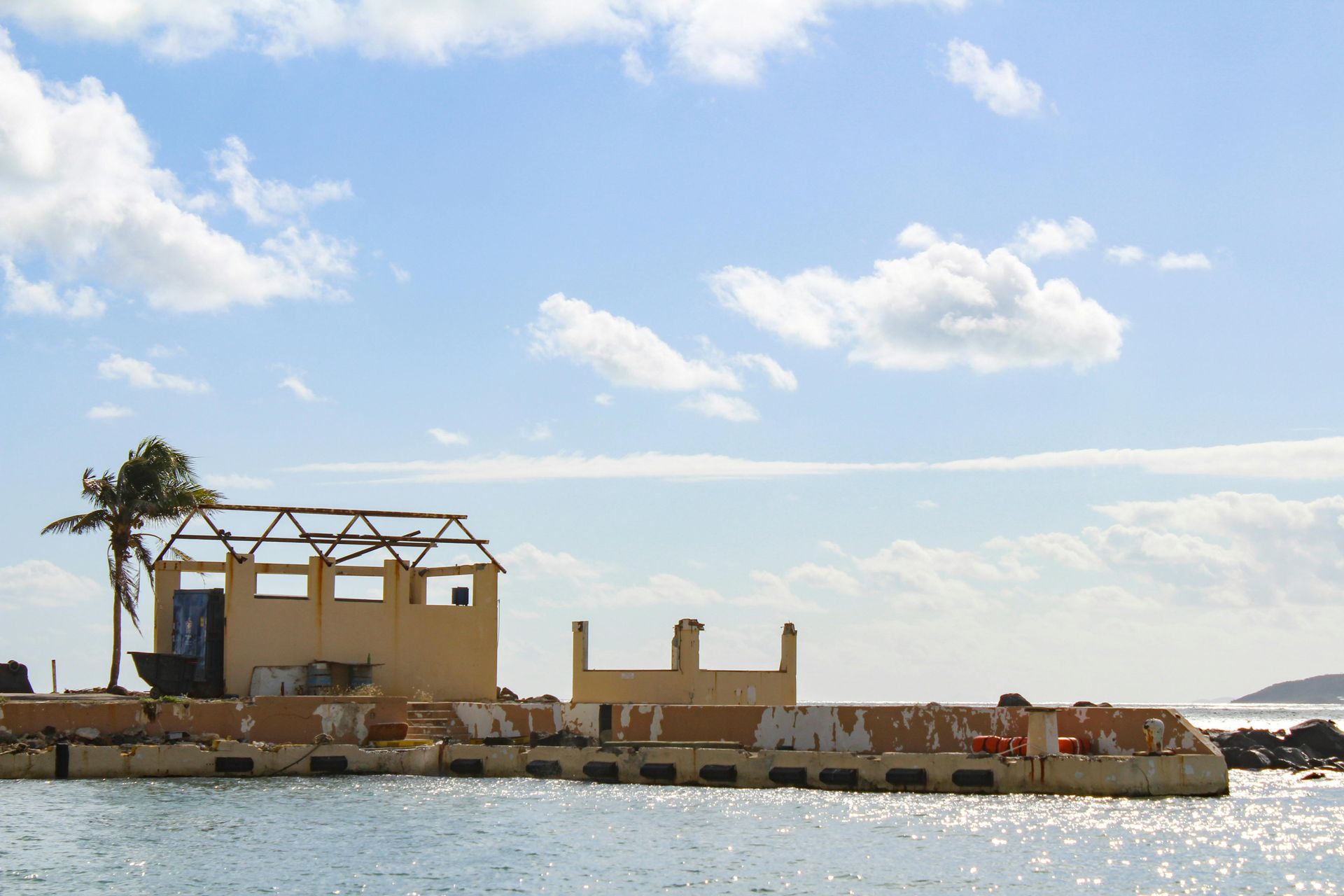
However, traditional construction faces vulnerabilities at connection points. Roof-to-wall connections, window and door openings, and gable end walls represent potential failure points under extreme wind loads. The 2004 hurricane season taught Florida builders hard lessons about these vulnerabilities, leading to significant code improvements, but older homes still carry these risks.
The insurance industry has taken notice of these performance differences. Some carriers now offer premium discounts for engineered metal buildings that meet specific wind ratings, while others remain skeptical of non-traditional construction methods. Your insurance agent's familiarity with barndominium construction can significantly impact both coverage availability and premium costs.
3. Insurance Considerations and Long-Term Costs
Insurance represents one of the biggest ongoing cost differences between barndominiums and traditional homes in Florida, but not always in the direction you might expect. The insurance landscape for both construction types has evolved rapidly, especially after recent hurricane seasons highlighted the importance of proper engineering and construction quality.
Many insurance companies initially viewed barndominiums skeptically, classifying them as agricultural or commercial structures rather than residential properties. This classification often meant higher premiums and more limited coverage options. However, as more engineered barndominiums demonstrate hurricane resilience, some carriers have developed specific residential policies for metal building homes.
The key factor is documentation. Insurance companies want to see professional engineering stamps, proper wind load calculations, and compliance with residential building codes. A barndominium built with agricultural-grade standards will face higher premiums and coverage limitations compared to one engineered specifically for residential use with appropriate wind ratings.
Traditional homes benefit from established insurance markets and predictable underwriting processes. Insurance companies understand block construction, have decades of claims data, and offer standard homeowners policies without special considerations. However, traditional homes in high-risk flood zones or wind zones still face significant premium increases, especially for older homes that predate current building standards.
Maintenance costs present another long-term consideration. Barndominium metal exteriors require minimal maintenance compared to traditional stucco or siding, but any repairs typically require specialized contractors familiar with metal building systems. Traditional homes offer easier access to repair contractors and materials, but require more frequent maintenance of exterior finishes, especially in Florida's harsh UV environment.
Energy efficiency also impacts long-term costs. Well-insulated barndominiums can be extremely energy-efficient due to their tight construction and minimal thermal bridging. However, large open spaces can be challenging to cool efficiently, requiring careful HVAC design. Traditional homes offer more flexibility in zoning and temperature control but may have more air leakage points that increase cooling costs.
4. Design Flexibility and Aesthetic Considerations
The design differences between barndominiums and traditional homes extend far beyond aesthetics, affecting everything from interior layout options to neighborhood compatibility. These considerations often prove more important than initial cost differences when families live with their choices long-term.
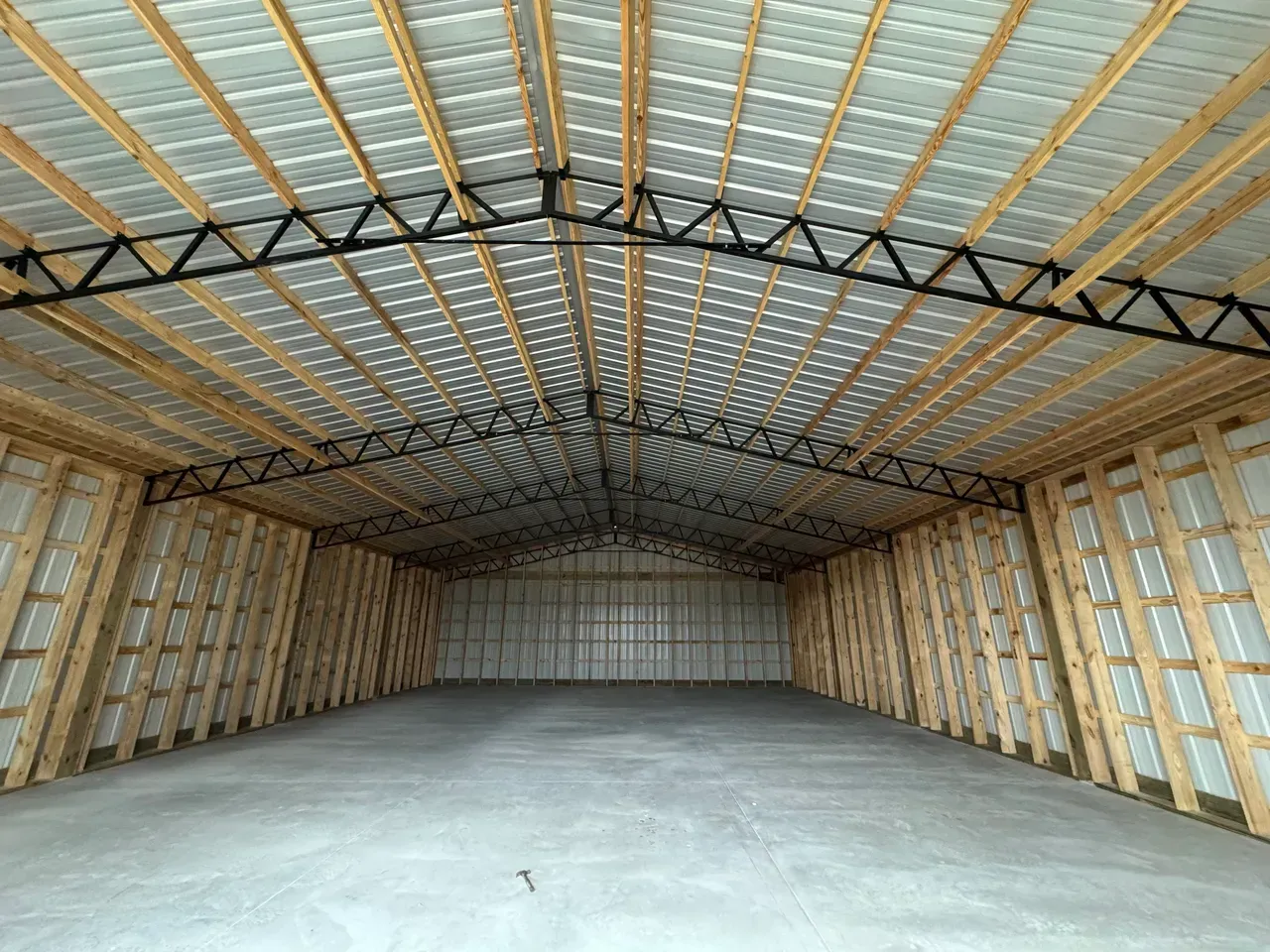
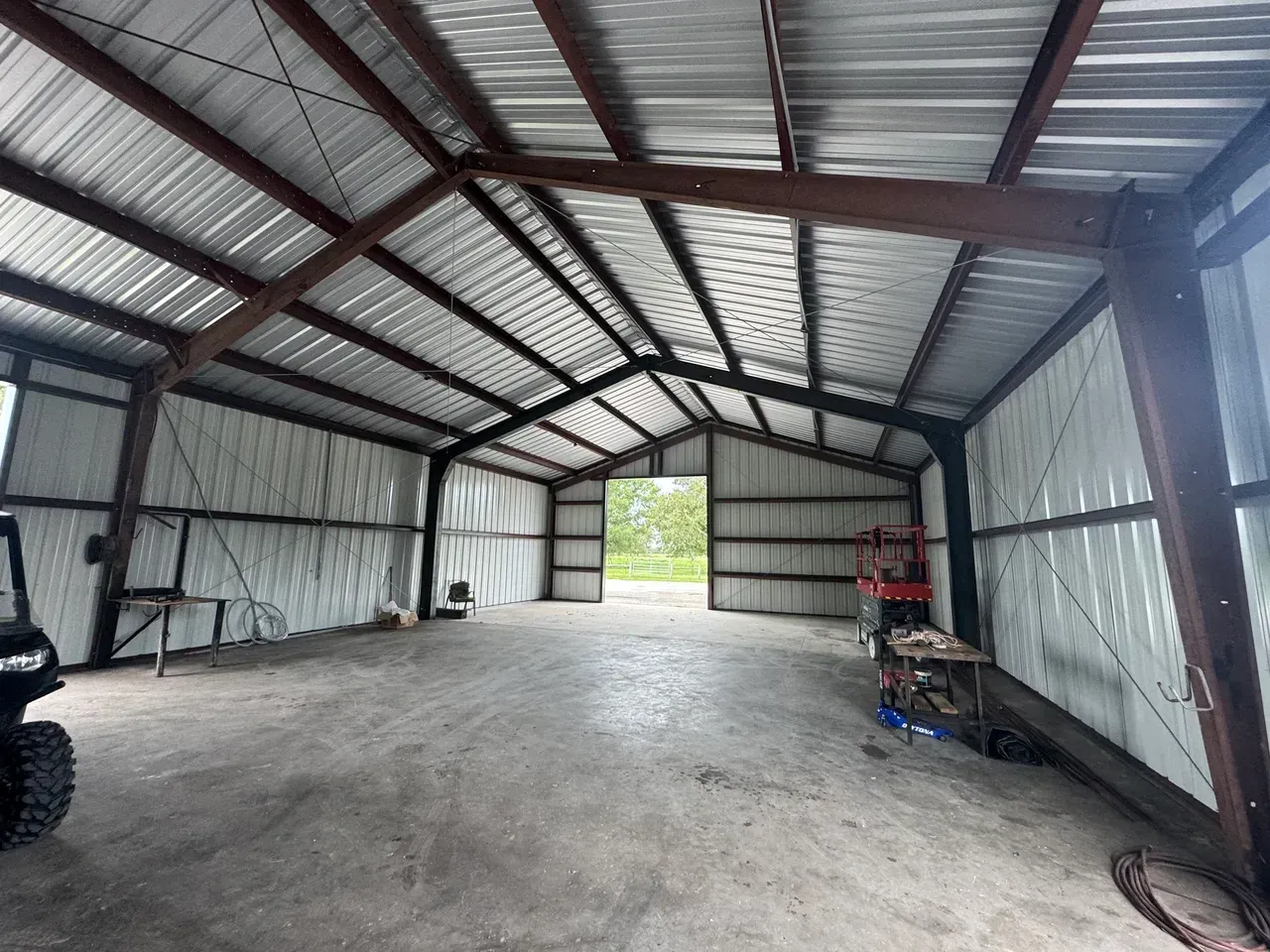
Barndominiums excel in open-concept living, with clear spans that allow for dramatic interior spaces impossible in traditional construction. Without load-bearing interior walls, you can create soaring great rooms, mezzanine levels, and flexible spaces that adapt to changing family needs. This flexibility appeals to families who prioritize entertaining, hobby spaces, or multi-generational living arrangements.
The industrial aesthetic that defines barndominiums — exposed beams, metal accents, polished concrete floors — creates distinctive interiors that photograph beautifully and feel refreshingly different from typical suburban homes. For families drawn to modern farmhouse or industrial design styles, barndominiums offer authentic architectural elements that traditional homes achieve only through costly design interventions.
However, this aesthetic commitment cuts both ways. The barndominium look doesn't suit every family's style preferences, and changing the aesthetic later requires significant renovation. Traditional homes offer more neutral starting points that accommodate diverse decorating styles and easier updates over time.
Neighborhood compatibility represents a practical consideration often overlooked in the initial excitement of planning. Many HOA communities restrict or prohibit metal building construction, limiting where you can build a barndominium. Even in unrestricted rural areas, a barndominium might stand out dramatically among traditional homes, affecting both social integration and resale considerations.
Traditional homes offer design flexibility within established architectural languages. You can choose from colonial, contemporary, Mediterranean, or craftsman styles while still accessing standard financing, insurance, and contractor networks. The design options feel less dramatic but provide more conservative long-term value protection.
Interior layout flexibility differs significantly between the two approaches. Traditional homes accommodate room additions, wall relocations, and remodeling projects more easily. Barndominiums require careful planning for any changes that affect the structural system, making major renovations more complex and expensive.
5. Financing and Resale Value Realities
The financial considerations extend well beyond initial construction costs, touching every aspect of homeownership from initial financing to eventual resale. Understanding these implications upfront prevents expensive surprises later and helps you make decisions that align with your long-term financial goals.
Financing barndominiums remains more complex than traditional home loans. Many conventional mortgage lenders still treat barndominiums as specialty construction, requiring larger down payments, higher interest rates, or construction loan processes even for completed homes. The lack of comparable sales data in some areas makes appraisal challenging, potentially limiting loan amounts below actual construction costs.
However, this landscape is improving as more barndominiums get built and sold, creating the comparable sales data that appraisers and lenders need. Some lenders now offer standard residential mortgages for properly constructed barndominiums that meet specific criteria, but you'll need to shop around and possibly work with lenders experienced in alternative construction methods.
Traditional homes benefit from mature financing markets with competitive rates, standard down payment options, and straightforward appraisal processes. FHA, VA, and USDA loans remain readily available for qualified borrowers, providing access to low-down-payment programs that might not be available for barndominiums.
Resale value represents the biggest unknown in the barndominium equation. Limited sales history makes long-term value predictions difficult, though early data suggests well-built barndominiums in appropriate locations hold value reasonably well. The key factors appear to be construction quality, location compatibility, and market timing.
Traditional homes offer more predictable resale patterns with decades of market data supporting value projections. However, this predictability doesn't guarantee appreciation — location, condition, and market timing affect traditional home values just as they do barndominium values.
The buyer pool also differs significantly. Barndominium buyers tend to be specifically seeking that style and lifestyle, creating a smaller but often more motivated buyer pool. Traditional homes appeal to broader buyer demographics, potentially making sales easier but not necessarily more profitable.
6. Florida-Specific Practical Considerations
Living in Florida creates unique practical considerations that affect daily life in either home type. From cooling costs in our intense heat to dealing with humidity and occasional flooding, understanding these day-to-day realities helps you choose the option that truly fits your lifestyle.
Cooling large, open barndominium spaces can be challenging and expensive. The high ceilings and open floor plans that create dramatic visual impact also create large volumes of air to condition. Without careful HVAC design and zoning, you might find yourself overcooling some areas to maintain comfort in others, driving up electricity bills during Florida's long summer months.
Humidity control becomes critical in any Florida home, but barndominiums require special attention to prevent condensation issues where metal meets conditioned air. Proper insulation and vapor barriers are essential, but many builders unfamiliar with residential metal building requirements skimp on these details, creating long-term problems.
Traditional homes benefit from decades of refinement in Florida building practices. Contractors understand local humidity challenges, cooling requirements, and moisture management strategies. The learning curve for homeowners is shorter, and solutions for common problems are well-established.
Flood considerations affect both home types, but differently. Barndominiums on elevated foundations perform well in flood situations, with minimal damage to the structure itself. However, electrical systems, HVAC equipment, and interior finishes remain vulnerable. Traditional homes face similar vulnerabilities but benefit from established flood mitigation strategies and readily available materials for post-flood repairs.
Noise considerations often surprise new barndominium owners. Metal roofs and siding can amplify rain and wind noise compared to traditional construction materials. While proper insulation minimizes this issue, it's worth considering if you're sensitive to weather sounds or live in areas with frequent thunderstorms.
Wildlife interactions can also differ between home types. Rural barndominiums often attract attention from curious wildlife, while their agricultural appearance might initially discourage some HOA-minded neighbors. Traditional homes blend more seamlessly into suburban environments but offer fewer opportunities for the rural lifestyle that draws many families to barndominiums in the first place.
Making the Right Choice for Your Situation
After weighing all these factors, the decision between a barndominium and traditional home comes down to your specific priorities, risk tolerance, and long-term goals. Neither option is inherently superior — they serve different needs and lifestyles with distinct advantages and trade-offs.
Choose a barndominium if you prioritize open-concept living, faster construction timelines, lower initial costs, and unique aesthetic appeal. This option works best for families comfortable with some financing complexity, willing to work with specialized contractors, and drawn to rural or semi-rural settings where the style fits naturally.
Choose a traditional home if you prefer predictable financing, established resale markets, neighborhood compatibility, and design flexibility that accommodates changing needs over time. This option suits families who prioritize financial stability, easier maintenance access, and broader market appeal.
The hurricane consideration shouldn't drive your decision alone — both options can be engineered for excellent storm performance when built properly. Focus on finding qualified builders who understand Florida's specific requirements and have track records with your chosen construction method.
Most importantly, visit examples of both home types and talk to homeowners who've lived through at least one hurricane season in each. Their real-world experiences will provide insights that no amount of research can replace. We'd rather help you make the right decision for your family than sell you something that doesn't fit your actual needs and lifestyle.
Ready to explore which option truly fits your situation? Let's schedule a consultation where we can walk through your specific priorities, site conditions, and budget realities to determine the best path forward for your Southwest Florida home.