Best Barndominium Floor Plans for Florida Living: Design Guide & Layout Ideas
Designing the perfect barndominium floor plan for Florida living means balancing the open-concept freedom that draws people to metal building homes with the practical realities of our climate, lifestyle, and building codes. After helping dozens of Southwest Florida families create functional, beautiful barndominium layouts, we've learned which design elements work brilliantly in our environment — and which ones create expensive problems down the road.
The beauty of barndominium construction lies in its structural flexibility. Without load-bearing interior walls, you can create dramatic spaces impossible in traditional homes. But that freedom comes with responsibility — poor planning in the design phase creates costly fixes later, especially when dealing with Florida's humidity, cooling challenges, and hurricane requirements.
Whether you're dreaming of a cozy 1,500-square-foot retirement retreat or a sprawling 4,000-square-foot family compound, the key is understanding how different layout choices affect everything from energy costs to resale value. Let's explore the floor plan strategies that create barndominium homes perfectly suited to Florida living.
1. The Foundation: Understanding Barndominium Layout Principles
Traditional home design relies on a series of load-bearing walls that limit layout options and create defined rooms. Barndominium construction flips this concept entirely — the structural steel frame carries all loads, leaving you free to place interior walls wherever function and aesthetics demand. This fundamental difference opens possibilities that many families don't fully explore during the planning phase.
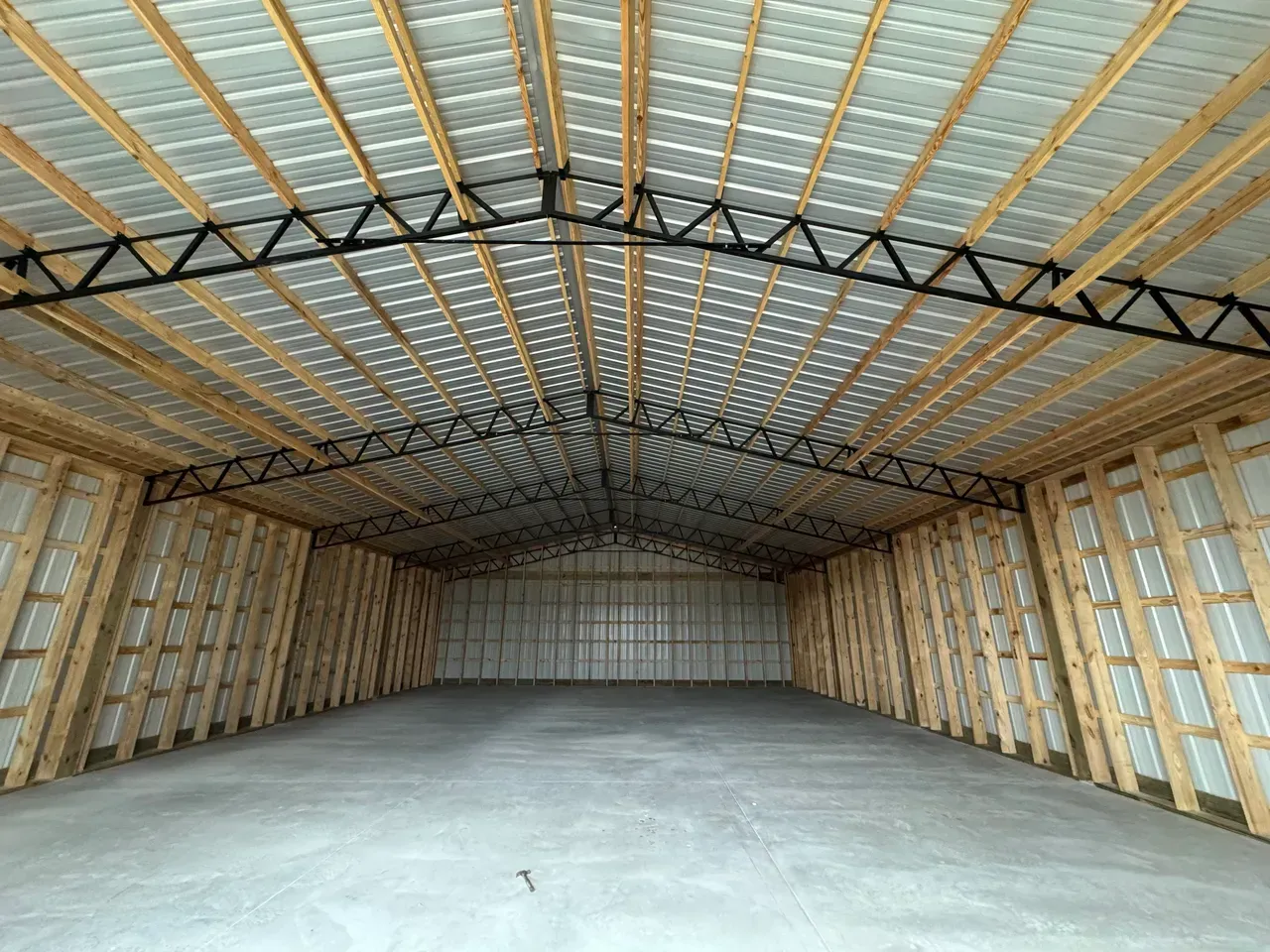
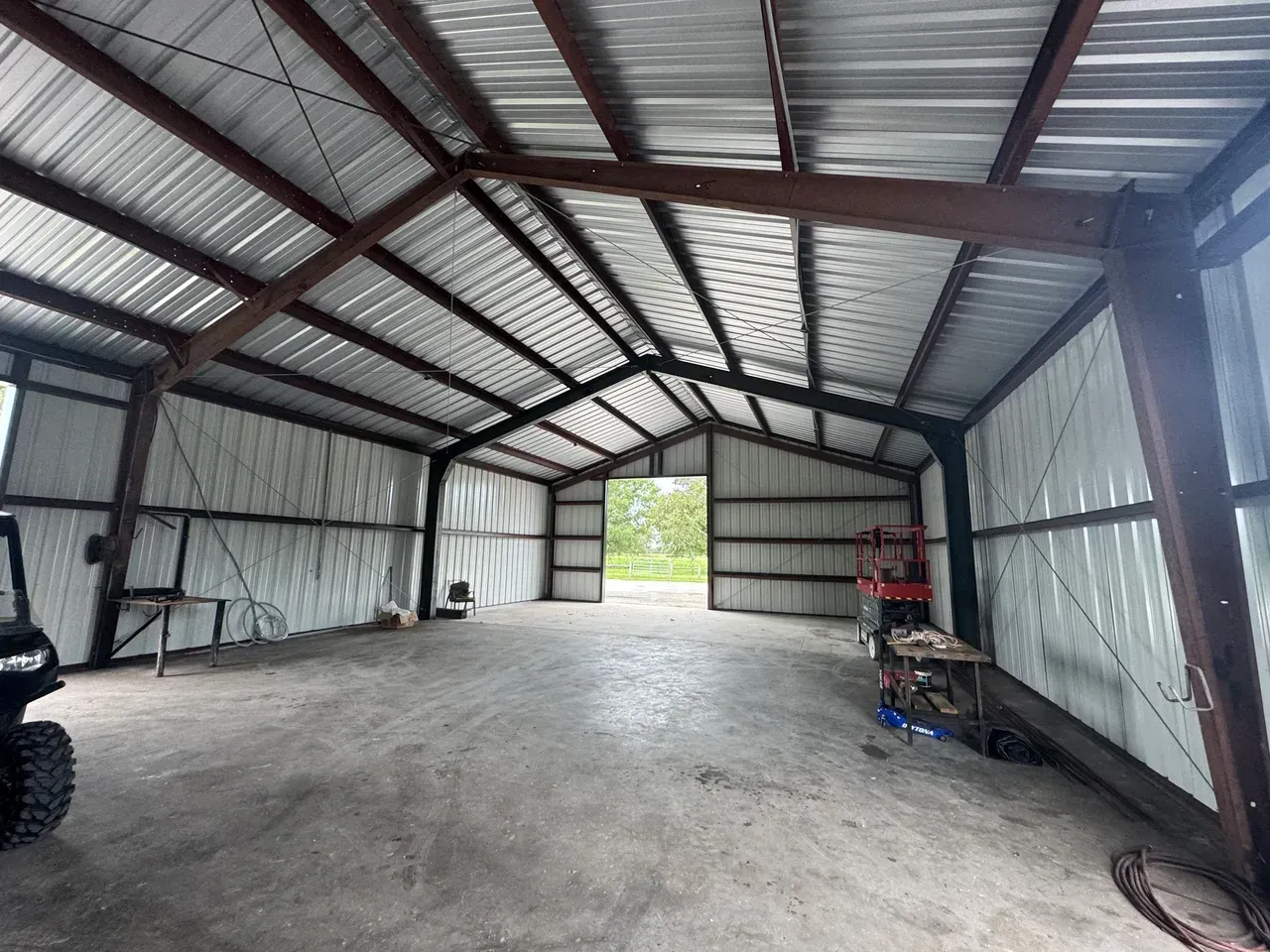
The most successful Florida barndominium floor plans embrace this flexibility while respecting the practical demands of our climate. High ceilings and open spaces create impressive visual impact, but they also create large volumes of air to condition. Smart designers use partial walls, varied ceiling heights, and strategic room placement to maintain that coveted open feel while creating defined spaces that cool efficiently.
Consider the Johnson family's 2,800-square-foot barndominium in Hardee County. Instead of traditional room divisions, they used a combination of ceiling-mounted beams, partial walls topped with glass, and subtle floor level changes to create distinct areas while maintaining visual flow. The result feels spacious and connected, but each zone can be climate-controlled independently — a crucial advantage during Florida's long cooling season.
Zoning becomes particularly important in larger barndominiums. Rather than treating the entire space as one giant room, successful Florida designs create climate zones that can be heated and cooled independently. This might mean separating the great room from bedroom wings, or isolating workshop areas that don't need residential-level climate control. The initial investment in zoned HVAC systems pays dividends in both comfort and energy costs.
Traffic flow patterns matter more in open-concept designs because there are fewer walls to guide movement naturally. The best barndominium layouts create clear pathways between functional areas without cutting through living spaces awkwardly. Main circulation routes should feel natural and avoid forcing family members to walk through quiet spaces like reading areas or home offices.
2. Climate-Optimized Room Placement and Orientation
Florida's intense sun, frequent afternoon storms, and high humidity levels create specific challenges that smart floor plan design can address proactively. The orientation of your barndominium on the lot and the internal placement of different functional areas can dramatically impact comfort, energy costs, and livability throughout the year.
East-west orientation typically works best for barndominiums in Florida, minimizing the building's exposure to intense afternoon sun. This orientation allows you to place living areas on the north or east sides where they'll receive natural light without excessive heat gain. Workshop spaces, garages, and utility areas work well on the south and west sides where heat buildup matters less.
Kitchen placement requires special consideration in Florida barndominiums. Large, open kitchens generate significant heat from appliances and cooking activities. Position the kitchen where it can benefit from cross-ventilation but won't heat adjacent living areas excessively. Many successful designs place kitchens in the center of the home where cooking heat can dissipate naturally rather than being trapped against exterior walls.
Master bedroom suites deserve prime real estate in any barndominium floor plan, but Florida's climate makes their placement even more critical. East-facing master bedrooms capture pleasant morning light while avoiding intense afternoon heat. Including a private outdoor access from the master suite — whether to a covered porch or private patio — adds significant value and livability in our outdoor-friendly climate.
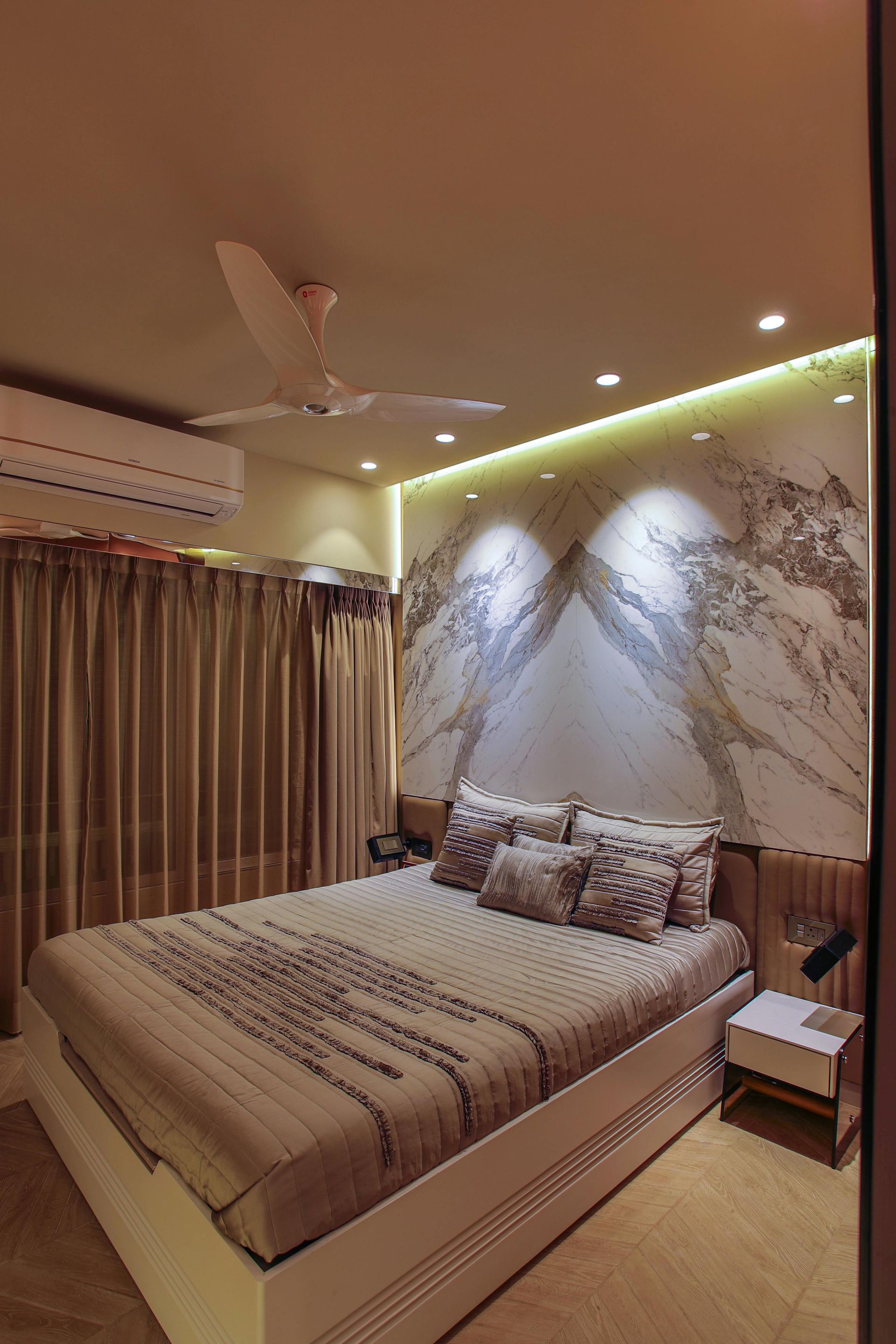
Bathroom placement affects both function and long-term maintenance costs. Grouping bathrooms together allows for efficient plumbing runs and shared ventilation systems — important for controlling humidity in Florida homes. Avoid placing bathrooms on exterior walls where possible, as the combination of heat, moisture, and temperature differentials can create condensation issues over time.
Storage areas and utility spaces work well in the warmest parts of the building since they don't require the same comfort levels as living spaces. Position laundry rooms, pantries, and mechanical rooms where they can benefit from shared walls with other service areas while remaining easily accessible from main living areas.
Home office spaces have become essential for many families, and barndominium design offers unique opportunities to create dedicated work areas without sacrificing open-concept living. Consider incorporating a mezzanine level for office space, or using partial-height walls to create visual separation while maintaining the sense of openness that makes barndominiums special.
3. Popular Florida Barndominium Floor Plan Styles
While barndominium design offers nearly unlimited customization possibilities, certain layout approaches have proven particularly successful for Florida families. Understanding these popular styles helps you identify the direction that best fits your family's lifestyle and priorities.
The "Great Room" style dominates Florida barndominium design, and for good reason. This approach dedicates the majority of square footage to a single, dramatic space that combines living, dining, and kitchen functions. High ceilings with exposed beams create vertical drama, while strategic furniture placement and area rugs define functional zones within the open space. This style works particularly well for families who prioritize entertaining and communal activities.
However, the Great Room approach requires careful HVAC planning to avoid hot and cold spots. Ceiling fans become essential for air circulation, and many families add built-in seating areas near windows where natural light creates inviting gathering spaces. The key is balancing that impressive open feel with functional subdivisions that prevent the space from feeling like an airplane hangar.
The "Pavilion" style treats the barndominium as an indoor-outdoor living space, with large opening walls or sliding door systems that connect interior and exterior areas seamlessly. This approach particularly suits Florida's climate, where outdoor living extends year-round in many areas. Covered outdoor kitchens, screened porches, and pool areas become extensions of the indoor living space.
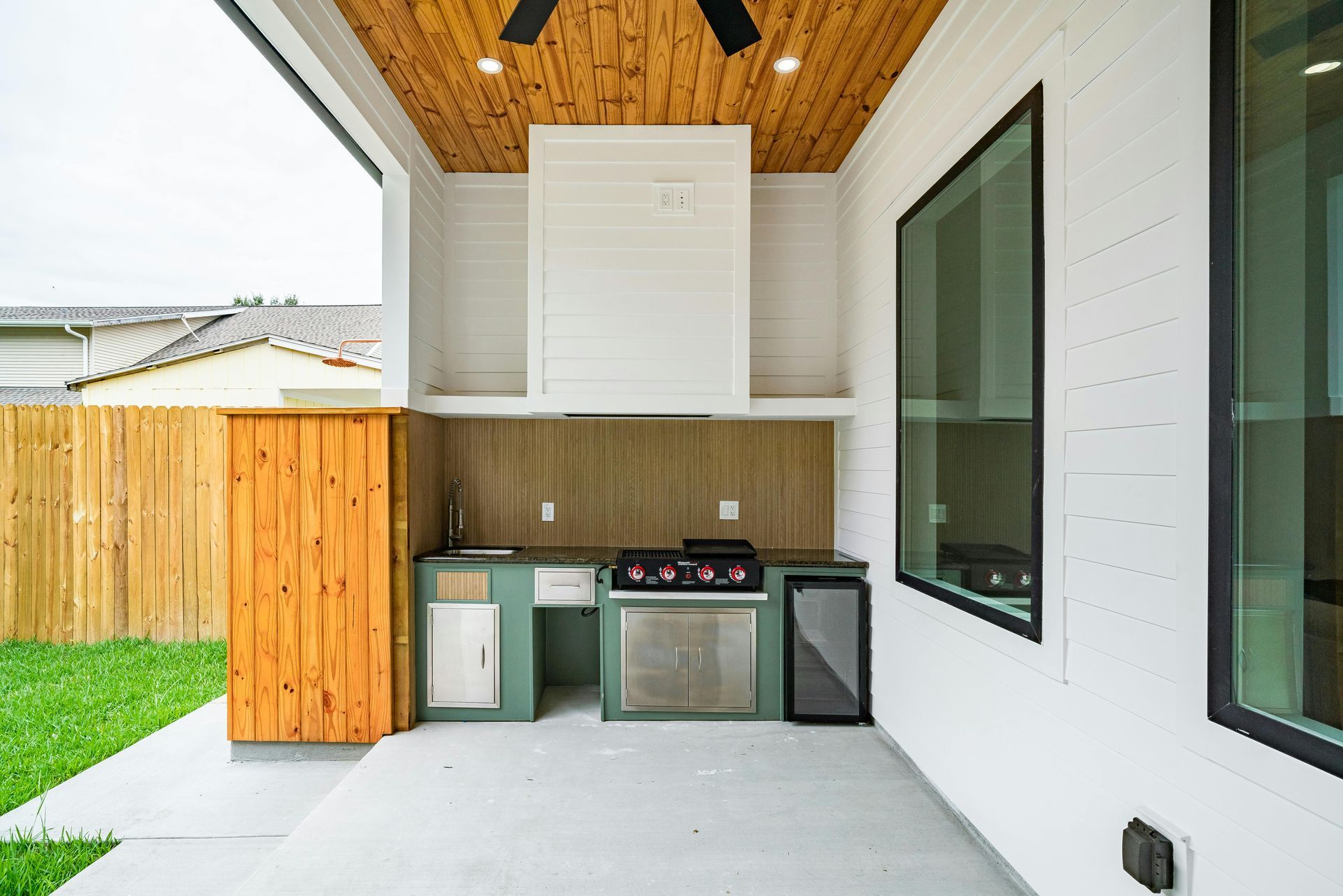
Pavilion-style designs require special attention to insect control and weather protection. Retractable screens, strategically placed ceiling fans, and proper drainage around opening walls prevent common problems that can make outdoor connections less enjoyable. Many families also incorporate outdoor heating elements for the few months when Florida evenings require extra warmth.
The "Homestead" style appeals to families seeking a more traditional room layout within the barndominium framework. This approach uses the structural flexibility to create defined rooms — bedrooms, formal dining rooms, separate offices — while maintaining some open-concept areas. Full-height walls provide privacy and allow for more conventional furniture arrangements and décor choices.
Homestead layouts often work well for multi-generational families or those who work from home and need quiet, separated spaces. The defined rooms also make resale easier since they appeal to buyers who prefer traditional layouts but want the cost and speed advantages of barndominium construction.
The "Workshop-Home" combination serves families who want to integrate workspace with living space under one roof. These designs typically dedicate 30-40% of the building to workshop, garage, or business space while creating a complete home in the remaining area. Proper separation between work and living areas — including separate HVAC systems and sound insulation — ensures comfort and functionality for both uses.
4. Size and Square Footage Considerations
Determining the right size for your Florida barndominium involves balancing your family's space needs with construction costs, energy efficiency, and long-term maintenance considerations. The structural advantages of metal building construction allow for larger spaces at lower per-square-foot costs than traditional construction, but bigger isn't always better when Florida's climate challenges are factored into the equation.
Smaller barndominiums — typically 1,200 to 2,000 square feet — offer several advantages in Florida's climate. These sizes cool efficiently, require less complex HVAC systems, and allow for simpler electrical and plumbing layouts. For empty nesters or young families, smaller designs can feel spacious due to open-concept layouts while keeping utility costs manageable during Florida's long cooling season.
The sweet spot for many Florida families falls between 2,000 and 3,500 square feet. This size range provides room for comfortable family living while remaining manageable from an energy and maintenance perspective. These barndominiums typically include 3-4 bedrooms, 2-3 bathrooms, and dedicated spaces for hobbies or work activities without feeling overwhelming or expensive to operate.
Larger barndominiums — 3,500 to 5,000+ square feet — require more sophisticated design and engineering to work well in Florida. Zoned HVAC systems become essential, and careful attention to building orientation and window placement prevents cooling costs from becoming prohibitive. However, these sizes allow for impressive entertaining spaces, workshop areas, and multi-generational living arrangements that many families find invaluable.
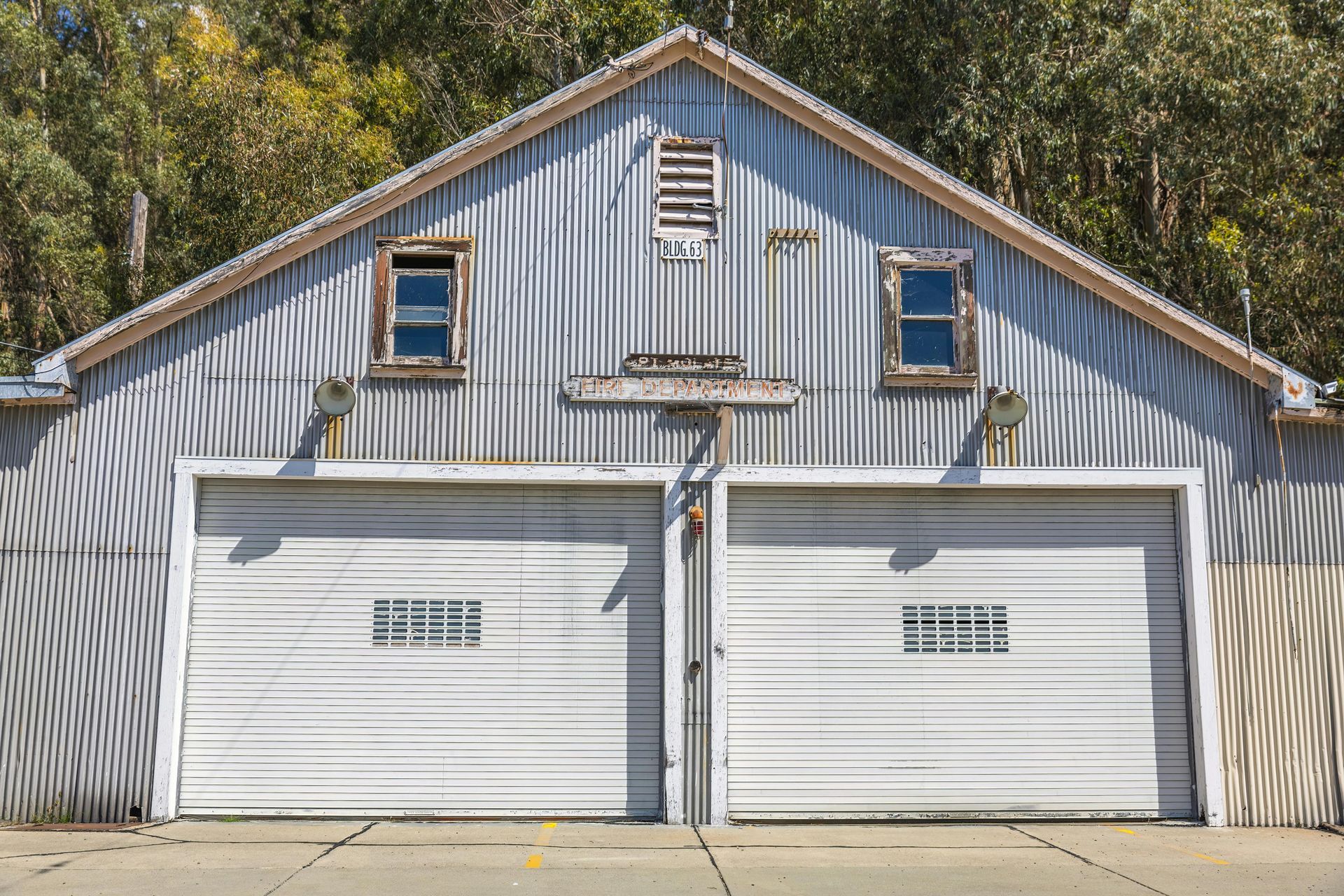
Ceiling height significantly impacts both the visual drama and practical function of barndominium spaces. Standard 12-16 foot ceilings provide impressive openness while remaining manageable for heating and cooling. Higher ceilings — 18-24 feet — create cathedral-like drama but require more sophisticated HVAC design and potentially higher energy costs.
Many successful Florida barndominiums use varied ceiling heights to create visual interest and functional zoning. Great rooms might soar to 20+ feet while bedroom and bathroom areas remain at more intimate 10-12 foot heights. This approach provides drama where it matters most while controlling costs and energy consumption in private areas.
Mezzanine levels offer an excellent way to add square footage without expanding the building footprint. These partial second floors work particularly well for home offices, guest bedrooms, or reading lofts that take advantage of high ceilings in great room areas. Mezzanines also provide interesting visual elements and help break up large spaces that might otherwise feel overwhelming.
5. Functional Zones and Room Layout Strategies
Creating successful functional zones within your barndominium floor plan requires understanding how your family actually lives and moves through space throughout the day. The best designs anticipate everything from morning routines to evening entertainment, ensuring that each area serves its intended purpose without interfering with other activities.
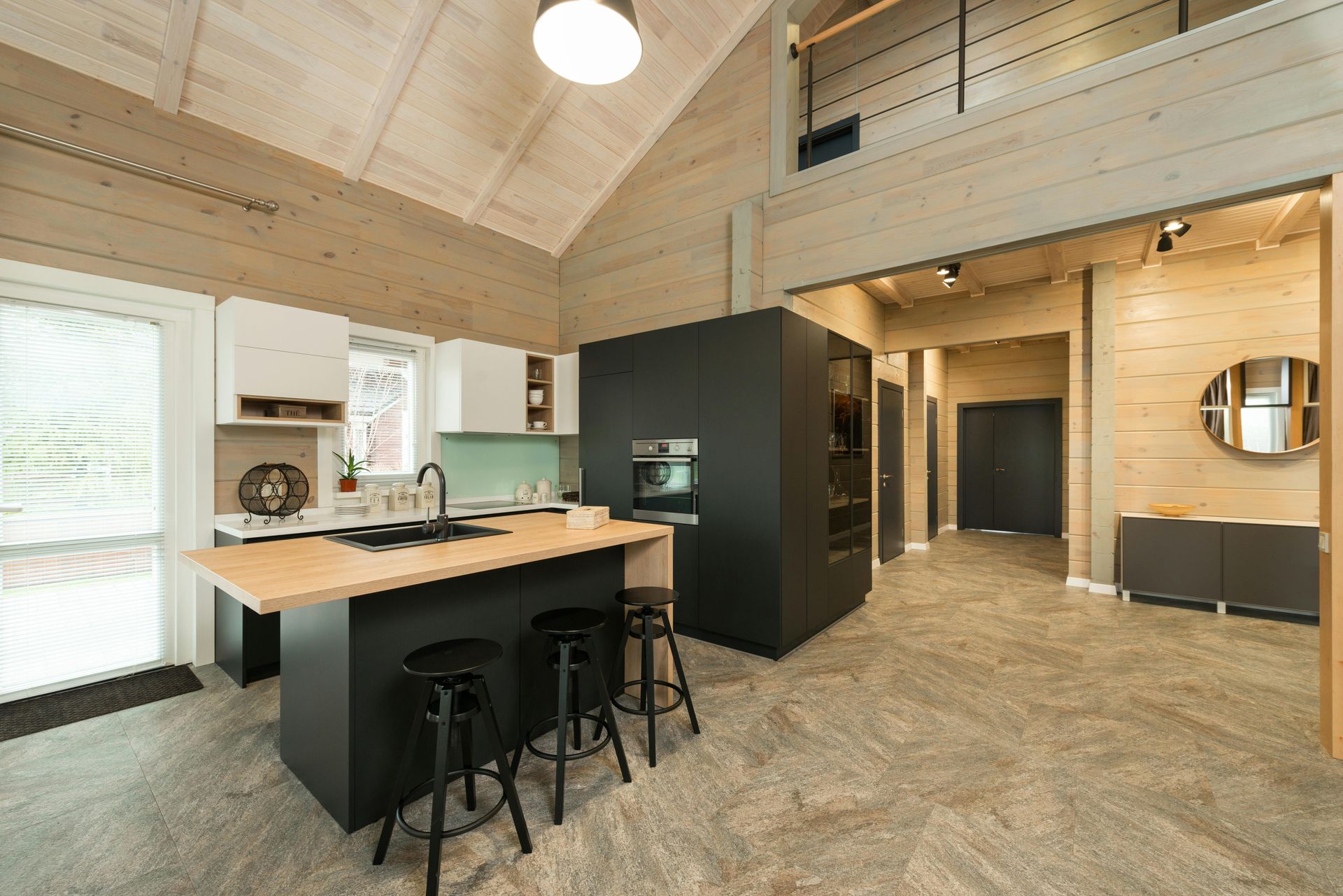
The kitchen zone deserves special consideration as the heart of most homes. Florida barndominium kitchens work best when they're designed for both daily family meals and larger entertaining events. Island-based layouts provide workspace and casual seating while maintaining visual connection to living areas. Incorporating outdoor access from the kitchen allows for easy grilling and outdoor dining — essential elements of Florida lifestyle.
Kitchen storage needs careful planning in open-concept designs where everything remains visible. Many successful designs incorporate both display storage for attractive items and concealed storage for everyday necessities. Pantry spaces can be integrated into the overall design as attractive elements rather than hidden closets, especially when using attractive barn doors or glass-front cabinetry.
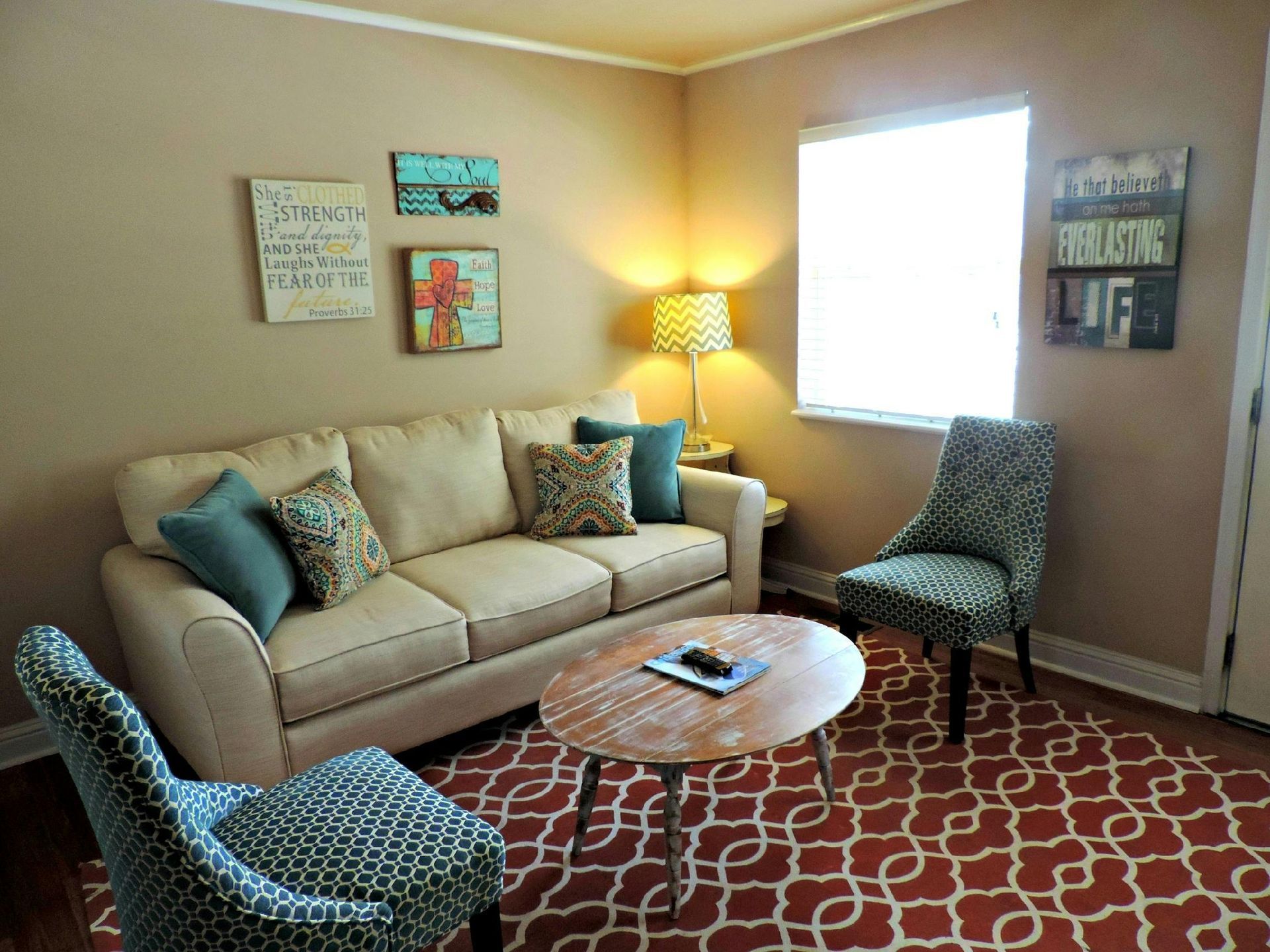
Living areas in barndominiums benefit from multiple seating zones rather than single large arrangements. Create conversation areas around natural focal points — fireplace, large windows, or outdoor views — while maintaining clear sight lines throughout the space. This approach allows the area to serve different functions simultaneously: children playing while adults converse, or television viewing in one area while others read quietly nearby.
Bedroom placement affects privacy, noise control, and climate efficiency. Master suites work well when separated from other bedrooms by common areas, providing privacy for parents while keeping children's rooms clustered together. Guest bedrooms benefit from some separation from main family areas, allowing visitors to come and go without disturbing daily routines.
Bathroom design in barndominiums offers opportunities for creative layouts impossible in traditional homes. Ensuite bathrooms can be larger and more luxurious due to cost savings in other areas. Consider incorporating natural light through skylights or high windows while maintaining privacy. Shared bathrooms can include separate vanity areas to reduce morning congestion.
Storage zones require strategic planning in open-concept homes where everything remains visible. Built-in storage along walls maintains clean lines while providing necessary function. Many families incorporate attractive storage solutions — exposed shelving, vintage lockers, or custom cabinetry — that contribute to the industrial aesthetic while serving practical purposes.
Workspace zones have become essential in many homes, and barndominiums offer unique opportunities for creative solutions. Home offices can be carved out of larger spaces using furniture arrangements or partial walls, or dedicated spaces can be created in mezzanine areas or separated wings. The key is providing adequate lighting, technology infrastructure, and sound control for productive work.
6. Special Considerations for Florida Building Codes
Designing barndominium floor plans in Florida requires understanding how our specific building codes affect layout possibilities. While barndominium construction offers tremendous flexibility, certain code requirements influence room placement, exit strategies, and structural considerations that affect your final design.
Hurricane wind load requirements affect window and door placement throughout your floor plan. Large opening walls that create seamless indoor-outdoor connections must meet specific impact and wind pressure standards. These requirements might influence the size and placement of openings, particularly on elevations that face prevailing wind directions during storm season.
Egress requirements become more complex in open-concept designs where traditional bedroom windows might not provide adequate emergency exits. Florida code requires specific emergency exit capabilities from sleeping areas, which might influence bedroom placement or require additional exterior doors in certain layouts. Planning for these requirements early prevents costly design changes during the permitting process.
Electrical code requirements in Florida address our unique climate challenges, particularly lightning protection and moisture control. GFCI requirements extend beyond just bathrooms and kitchens in Florida homes, affecting outlet placement throughout your floor plan. Planning electrical layouts early ensures adequate coverage without unsightly extension cords in your beautiful open spaces.
HVAC zoning requirements become particularly important in larger barndominiums where single-system approaches might not provide adequate comfort or efficiency. Florida's energy code provides guidelines for system sizing and efficiency that affect both equipment placement and ductwork routing through your open-concept spaces.
Accessibility considerations deserve attention even in single-story designs. Florida's aging population and the long-term value benefits of accessible design make it wise to incorporate universal design principles from the beginning. This might mean wider hallways, accessible bathroom layouts, or planning for future elevator installation in designs with mezzanine levels.
Fire separation requirements might affect certain workshop-home combinations or when incorporating commercial activities within residential barndominiums. Understanding these requirements early helps you design appropriate separations and fire protection systems that don't compromise your desired aesthetic or function.
7. Working with Professionals to Optimize Your Design
Creating the perfect Florida barndominium floor plan requires collaboration between architects, engineers, and builders who understand both the opportunities and constraints of metal building residential construction. The right team can help you maximize the advantages of barndominium construction while avoiding costly mistakes that affect comfort, function, or resale value.
Architectural services for barndominiums differ from traditional residential design. Look for professionals with specific metal building experience who understand how structural systems affect interior layout possibilities. They should also be familiar with Florida's climate challenges and building code requirements that might influence design decisions.
Structural engineers play a crucial role in barndominium design, determining how your desired layout works with the building's steel frame system. They can identify opportunities for dramatic spaces while ensuring structural integrity and code compliance. Early structural consultation can reveal possibilities you might not have considered while preventing expensive changes later in the process.
HVAC engineers become particularly important for larger or more complex barndominium designs. They can model energy performance for different layout options, helping you understand the long-term operational costs of your design decisions. Their input during the planning phase can save thousands of dollars in both initial installation and ongoing energy costs.

Interior designers familiar with barndominium aesthetics can help you visualize how your floor plan will function and feel once furnished. They understand the unique challenges of decorating large, open spaces and can suggest layout modifications that improve both function and visual appeal. Their input during the planning phase prevents expensive redesigns after construction.
Building contractors with barndominium experience provide valuable reality checks during the design process. They understand which design elements add significant cost or complexity and can suggest alternatives that achieve similar results more efficiently. Their construction experience helps identify potential problems before they become expensive surprises.
The most successful barndominium projects result from early collaboration between all team members. Regular design meetings where architects, engineers, and contractors review plans together catch conflicts before construction begins and often reveal opportunities for improvement that individual professionals might miss working in isolation.
Making Your Barndominium Floor Plan Dreams Reality
Designing the perfect Florida barndominium floor plan requires balancing the exciting possibilities of metal building construction with the practical realities of our climate, building codes, and lifestyle needs. The best designs embrace the structural freedom that barndominiums offer while creating functional, comfortable homes that serve families well for decades.
Start your design process by honestly assessing your family's lifestyle patterns, space needs, and long-term goals. Consider how you actually live now and how those patterns might evolve as your family changes. The flexibility of barndominium construction allows for future modifications, but planning ahead creates better initial layouts and saves money over time.
Remember that bigger isn't always better, especially in Florida's climate. Focus on creating spaces that feel generous and welcoming while remaining manageable from energy and maintenance perspectives. Smart zoning, strategic window placement, and careful attention to traffic flow often matter more than total square footage for daily livability.
Our Southwest Florida team specializes in helping families create barndominium floor plans that truly fit their lifestyles while addressing our region's specific challenges and opportunities. We'd rather spend time upfront getting your design right than deal with expensive changes later in the process. Ready to start planning your perfect Florida barndominium? Let's schedule a consultation where we can walk through your ideas and help you create a design that exceeds your expectations while staying within your budget.