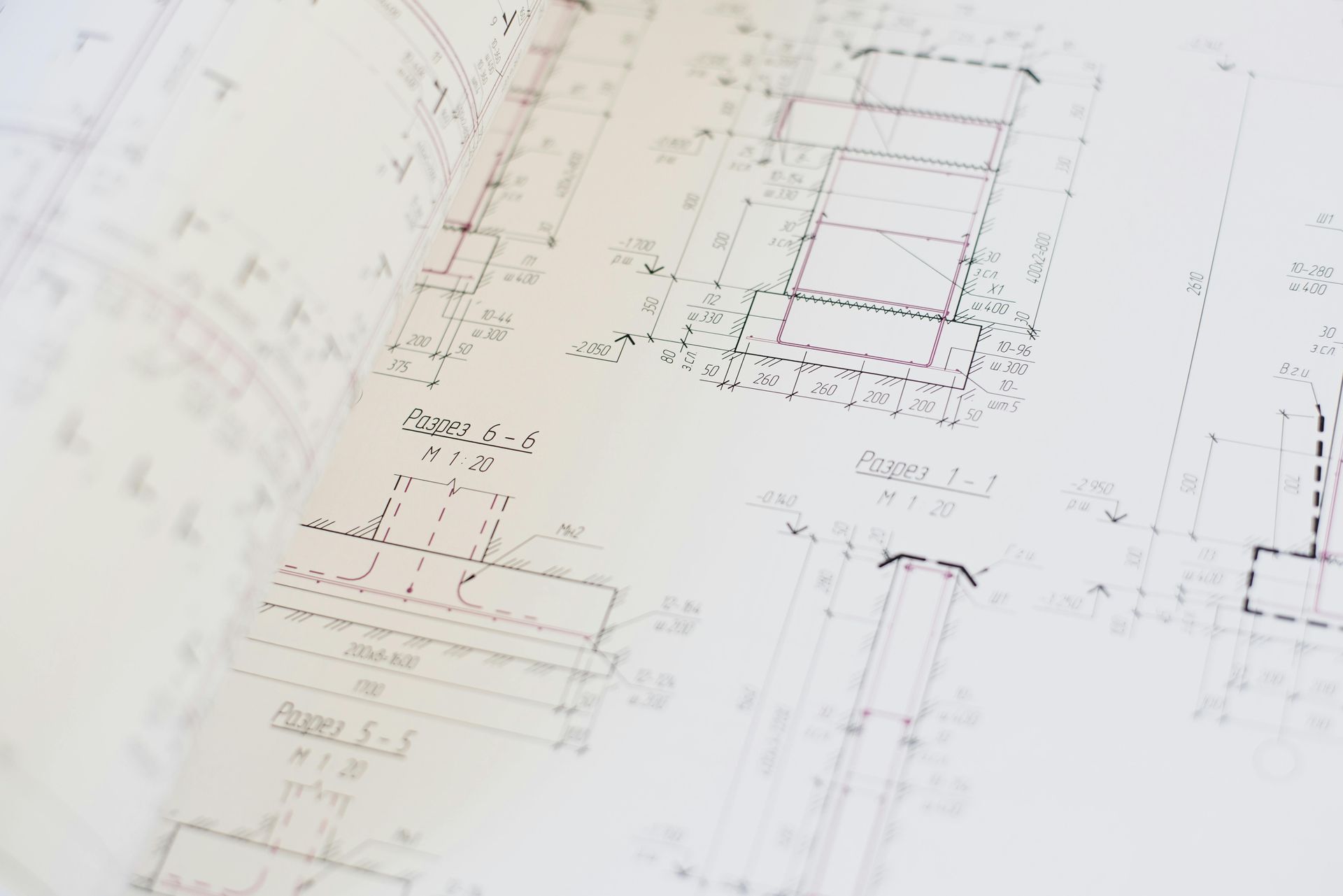
Barndominium Costs in Florida: What You'll Actually Pay (and Why)
If you've been searching for barndominium costs in Florida, you've probably noticed something frustrating: every website gives you a different number. One says "starting at $80 per square foot," another promises "under $150 per square foot," and a third warns costs can hit $250 or more. So what's the real story?
Here's the honest answer: barndominium costs in Florida depend on dozens of variables that most online calculators ignore completely. The difference between a basic shell and a move-in-ready home can triple your budget, and Florida's unique building requirements add layers of complexity you won't find in other states.
Instead of throwing around numbers that'll be wrong for your specific situation, let's walk through the actual factors that determine what you'll pay. By the end of this article, you'll know exactly what questions to ask builders and how to get a quote you can actually trust.
1. The Shell vs. Finished Barndominium Distinction
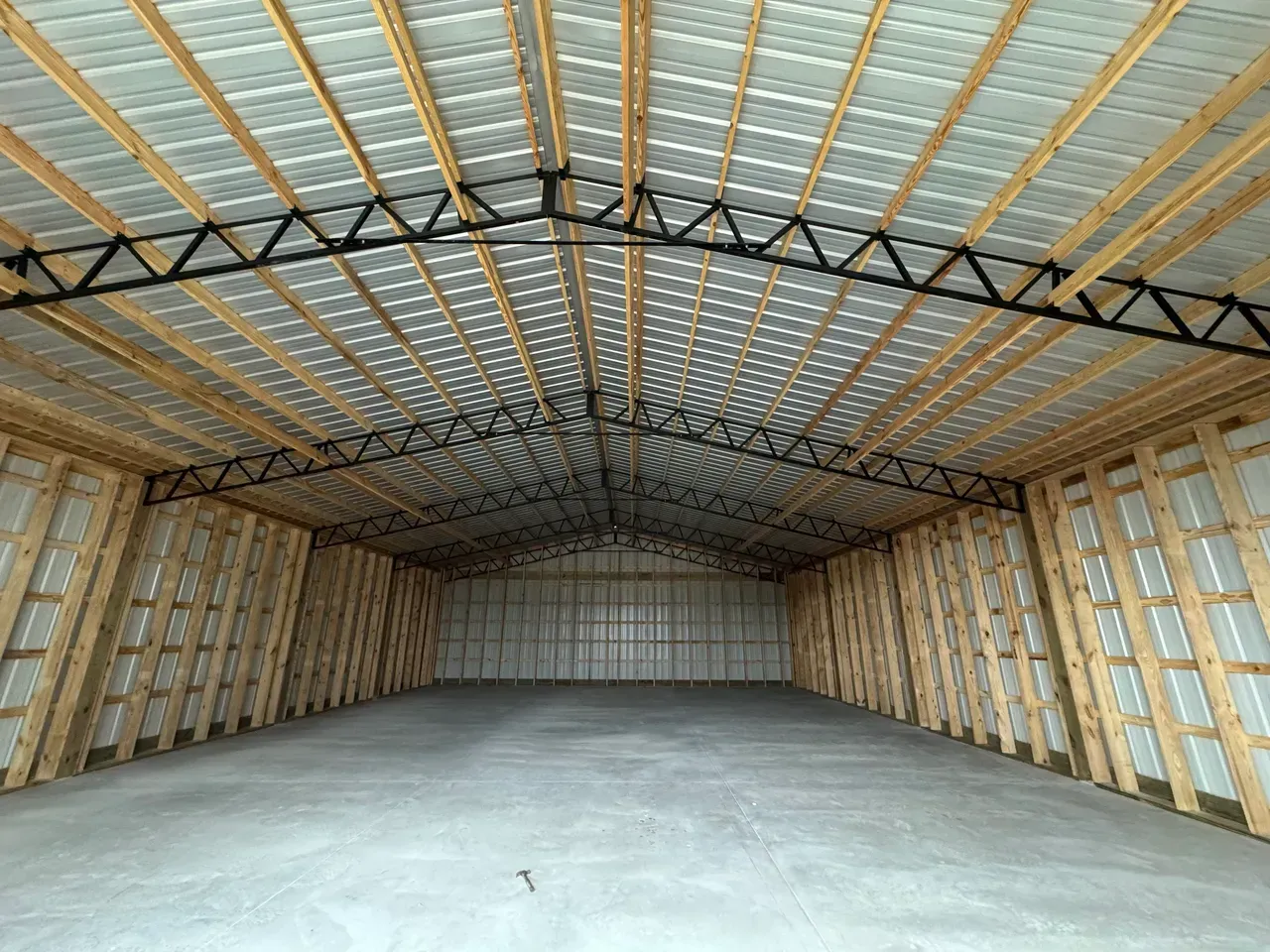
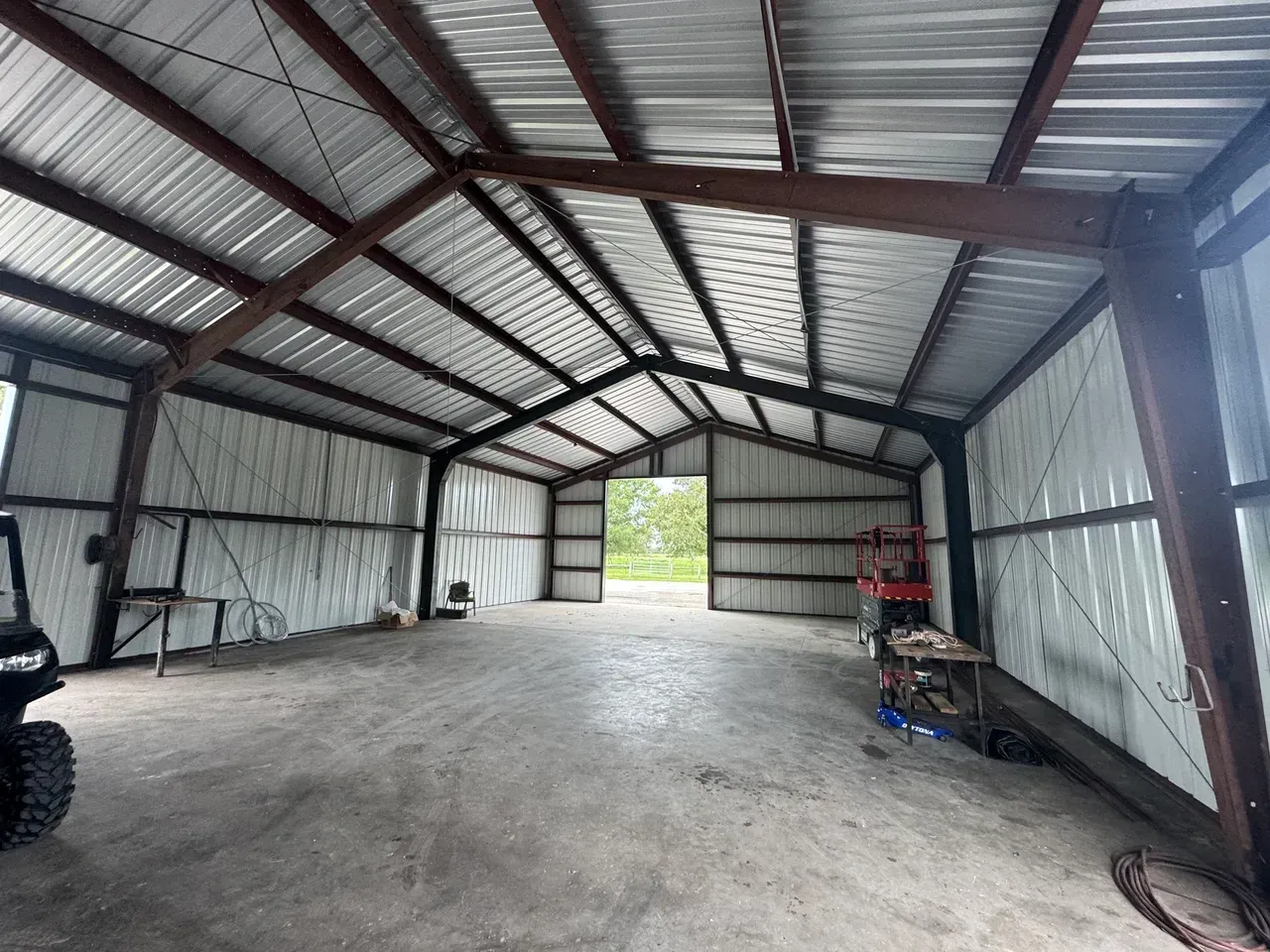
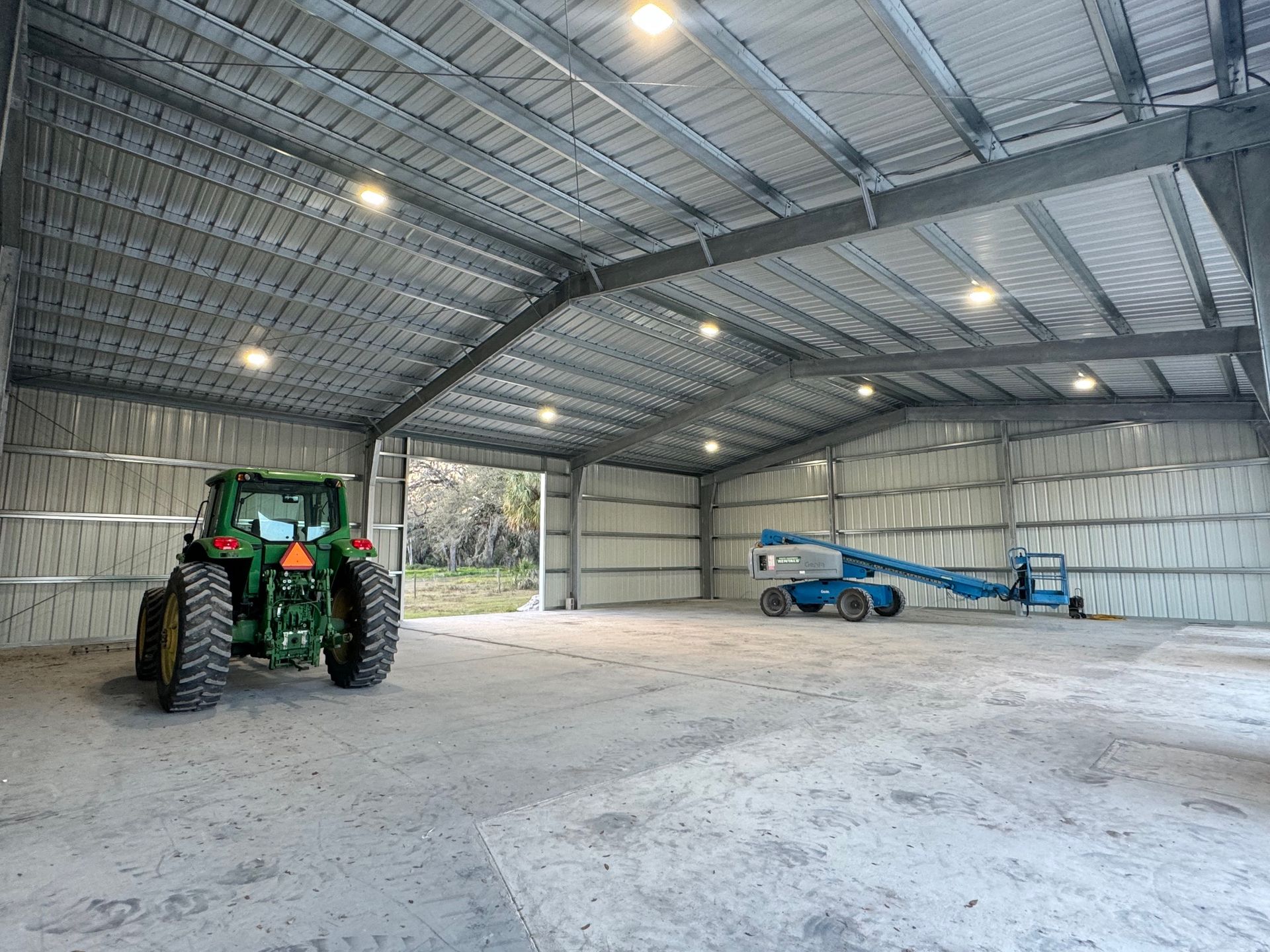
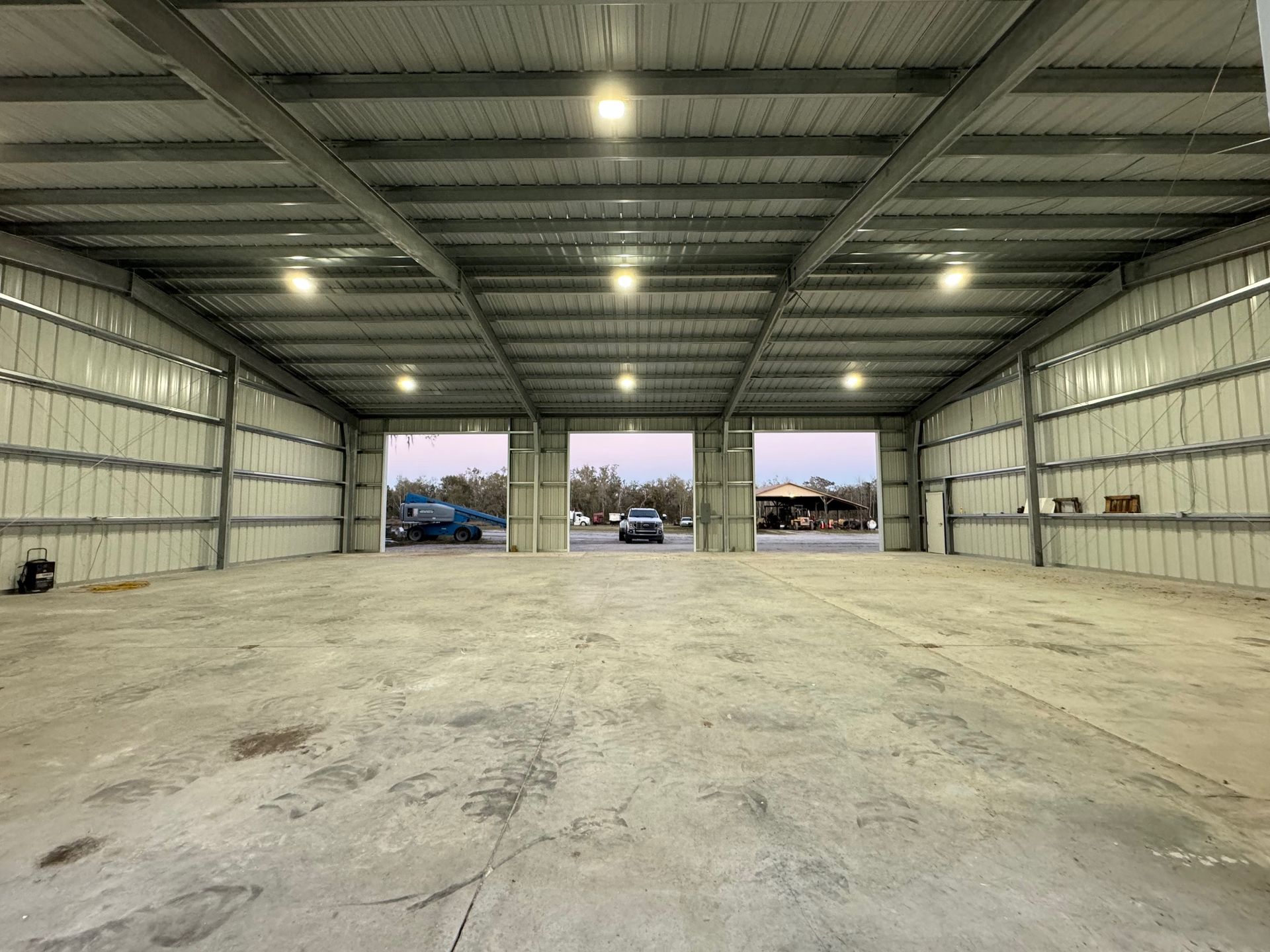
The biggest source of confusion in barndominium pricing comes from the shell versus finished distinction. When someone quotes you a low per-square-foot number, they're almost always talking about just the shell - the metal frame, roof, and exterior walls with basic concrete flooring.
A shell barndominium gets you a weatherproof structure, but that's it. No electrical, no plumbing, no interior walls, no insulation, no HVAC. Essentially, you have a very large, very expensive garage. This is where those "$80 per square foot" headlines come from, but it's not a livable home.
The jump from shell to finished is substantial. You're looking at electrical systems rated for residential use, plumbing rough-in and finish work, interior framing and drywall, flooring throughout, complete HVAC systems, and all the finish details that make a house feel like home. Each of these systems represents a significant line item that basic cost estimates rarely capture accurately.
Most families need to budget for something between "basic finished" and "custom finished." Basic finished means functional kitchens and bathrooms, standard flooring, and builder-grade fixtures. Custom finished means premium appliances, specialty flooring, custom cabinetry, and high-end finishes that match your vision of the perfect home.
2. Florida's Unique Building Requirements
Building a barndominium in Florida isn't the same as building one in Texas or Kansas. Florida's hurricane history, soil conditions, and climate create specific requirements that directly impact your costs.
Wind zone ratings are the big one. Most of Southwest Florida sits in a 140-150 mph wind zone, which means your structure needs engineered reinforcement beyond what you'd see in calmer climates. This affects everything from foundation anchor bolts to roof attachment methods. Higher wind ratings mean more steel, more concrete, and more engineering hours.
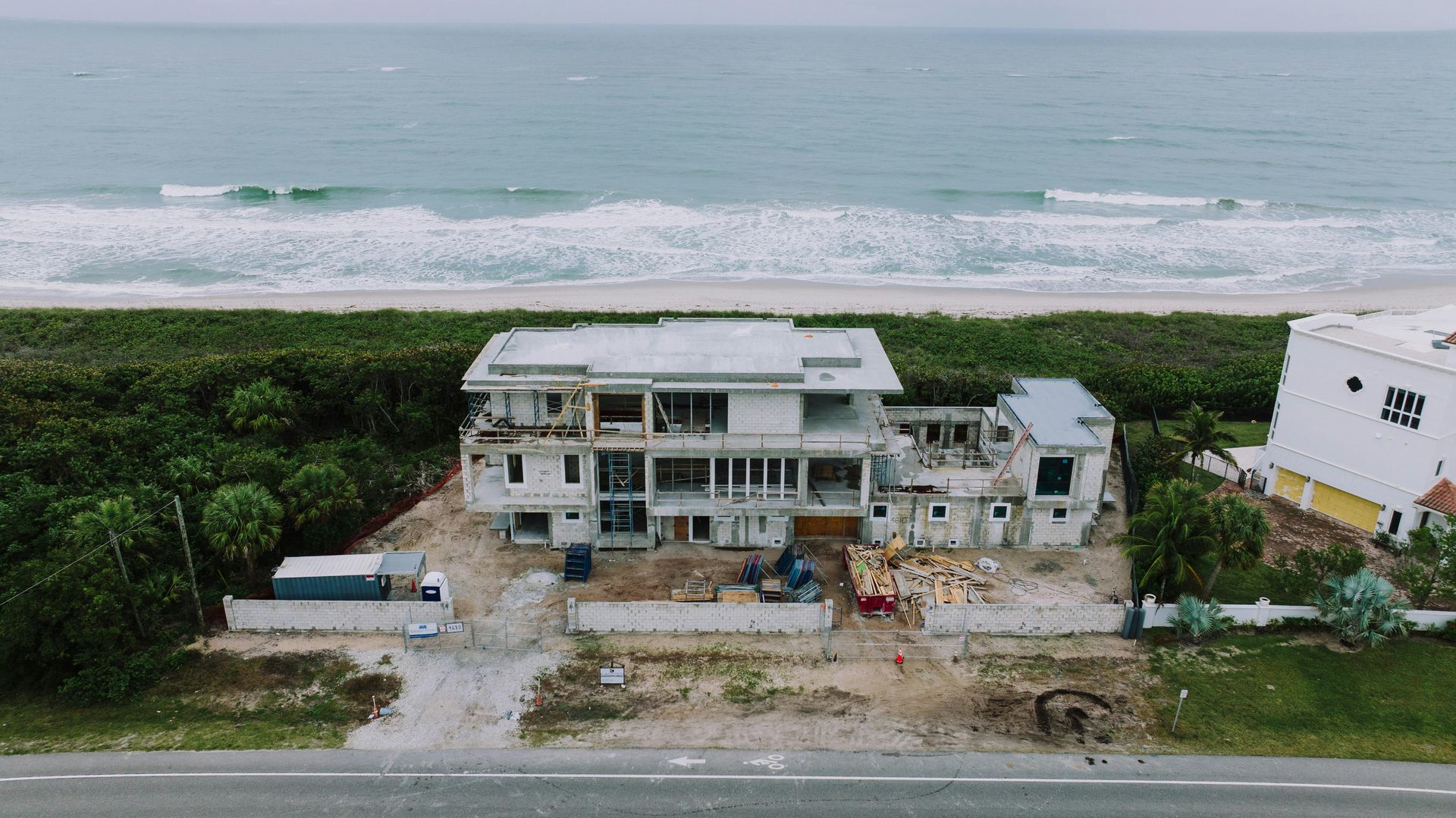
Impact-resistant requirements add another layer. Windows, doors, and garage doors all need to meet specific impact standards in many Florida counties. These aren't optional upgrades - they're code requirements that affect both the initial cost and your insurance premiums long-term.
Elevation requirements in flood-prone areas can significantly change your foundation approach. If your property requires flood elevation, you might need stem walls, fill dirt, or even elevated pier foundations. Each approach has different cost implications that generic calculators can't account for.
The permitting process itself varies dramatically between counties. DeSoto, Hardee, and Charlotte counties each have their own interpretation of barndominium requirements, review timelines, and fee structures. What flies in one county might require additional engineering or design changes in the next county over.
3. Site Preparation: The Hidden Budget Killer
Site prep is where barndominium budgets often go sideways, especially in rural Florida where many of these homes get built. Unlike suburban subdivisions with pre-cleared lots and utilities at the road, your barndominium site might require extensive preparation work.
Land clearing costs depend entirely on what's currently growing on your property. Light brush and grass are one thing, but mature oak trees, palmetto scrub, and wetland areas create entirely different cost scenarios. Some trees are protected and require permits to remove, while wetland areas might need environmental assessments before you can even think about building.
Septic systems are standard for rural properties, but the soil conditions and water table depth determine what type of system you'll need. Sandy soils in some areas allow for conventional septic systems, while clay soils or high water tables might require advanced treatment units or mound systems that cost significantly more.
Well water is common in rural areas, but drilling costs vary wildly based on depth to the aquifer and water quality. Some properties hit good water at 50 feet, others need to go 200 feet or deeper. If initial water tests reveal high mineral content, you might need water treatment systems that add thousands to your budget.
Electrical service brings its own variables. If power lines run past your property, connecting might be straightforward. If you're the first house on a dead-end road, you could be looking at utility line extensions that cost more than your entire electrical system.
4. Finish Levels: Where Budgets Live or Die
The interior finish level has the biggest impact on your total barndominium cost, but it's also where you have the most control. Understanding the cost implications of different choices helps you prioritize spending where it matters most to your family.
Flooring decisions alone can swing your budget by tens of thousands of dollars. Polished concrete throughout is the most budget-friendly option and fits the industrial aesthetic many people want in a barndominium. Luxury vinyl plank offers durability and comfort at moderate cost. Hardwood flooring provides warmth and elegance but requires careful selection for Florida's humidity levels.
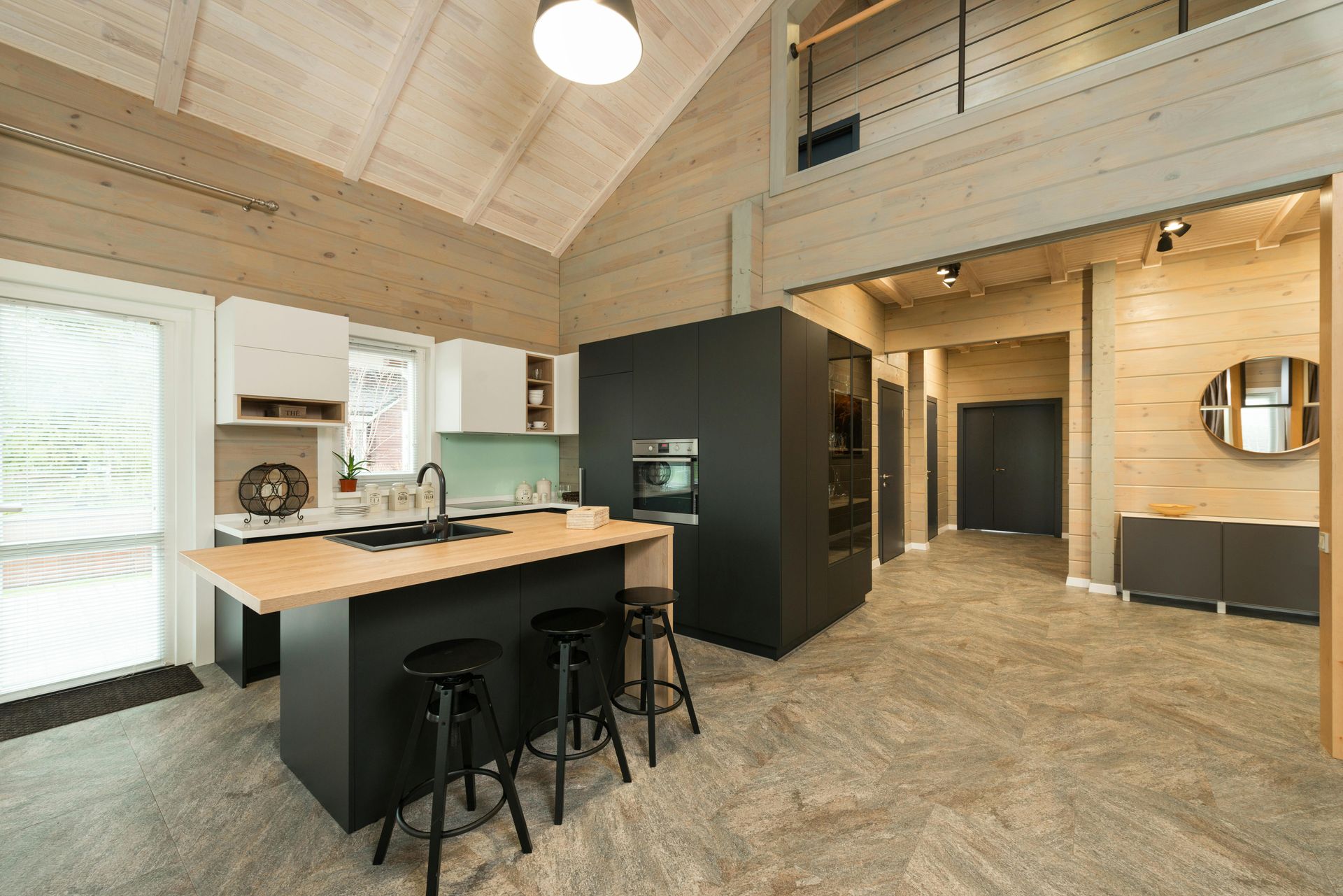
Kitchen and bathroom finishes represent major budget decisions. Basic builder-grade cabinets and countertops provide functionality without breaking the bank. Mid-range options add style and durability. Custom cabinetry and premium stone countertops create stunning spaces but require significant budget allocation.
HVAC systems in large, open barndominium spaces need careful planning. Basic systems might struggle to maintain comfortable temperatures in high-ceiling, open-concept designs. Zoned systems or ductless mini-splits often work better but cost more upfront. Insulation choices directly affect both comfort and long-term energy costs.
Interior wall placement affects both framing costs and electrical complexity. Open-concept designs minimize framing but might require creative solutions for privacy and storage. More traditional room layouts increase framing costs but provide defined spaces that many families prefer.
5. Financing: Construction Loans vs. Conventional
Financing a barndominium isn't always as straightforward as financing a traditional home, and the loan type you qualify for can affect your total project cost.
Construction loans typically require larger down payments and carry higher interest rates during the building phase. Some lenders are more comfortable with barndominium projects than others, so shopping around is essential. The lender's familiarity with metal building construction can affect both approval odds and loan terms.
Some conventional mortgage lenders hesitate with barndominiums because they're still relatively uncommon in many areas. This is changing as more barndominiums get built and sold, but it's something to research early in your planning process.
The construction draw schedule affects your cash flow during the build. Understanding when payments are due and what triggers each draw helps you plan your finances through the construction phase.
6. Getting Real Numbers: How to Approach Builder Conversations
Armed with understanding of these cost factors, you can have productive conversations with builders that result in realistic quotes rather than wishful thinking.
Come prepared with specifics. Know your lot conditions, desired finish level, and any special requirements. The builder can't give you accurate pricing without understanding your actual situation rather than generic assumptions.
Ask for detailed breakdowns that separate site prep, shell construction, and finish work. This helps you understand where your money goes and identify areas where you might adjust specifications to manage costs.
Discuss the permitting process and timeline. Builders familiar with your county's requirements can help you understand the approval process and any potential complications that might affect costs or schedules.
Request references from recent barndominium projects, especially those with similar finish levels and site conditions. Talking to past clients gives you insights into the builder's work quality and communication style during the construction process.
Moving Forward with Realistic Expectations
Building a barndominium in Florida offers unique opportunities to create exactly the home you want at potentially lower costs than traditional construction. But success requires honest planning based on real costs rather than optimistic internet estimates.
The key is approaching your project with eyes wide open about the factors that actually drive costs. Site conditions, finish choices, and Florida's specific requirements all play bigger roles than generic square footage calculations suggest.
We'd rather tell you the truth about these cost factors upfront than win your business with unrealistic estimates that lead to budget surprises later. Our team specializes in helping Southwest Florida families navigate these decisions to build barndominiums that fit both their vision and their budget. Ready to talk about your project with someone who won't sugarcoat the realities? Let's have that conversation.